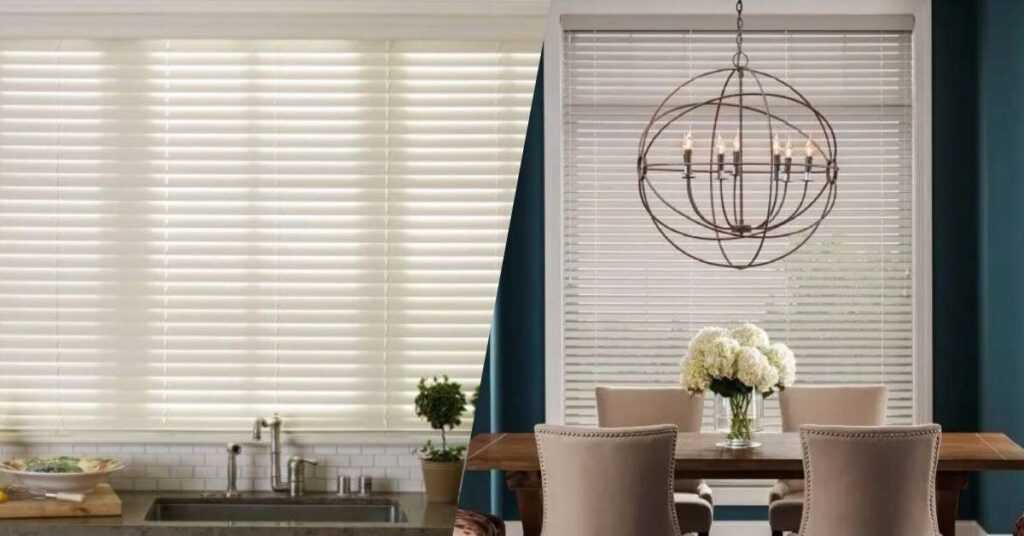
When it comes to window treatments, homeowners face a common dilemma: should they go with faux wood blinds or the timeless elegance of real wood blinds? Both offer distinct benefits, but the decision often boils down to factors like durability, maintenance, and cost-effectiveness. If you’re caught between faux wood blinds vs. wood blinds, you’re not alone. This blog will break down the key differences, helping you make an informed decision that complements your home decor and meets your practical needs.
From moisture resistance to custom finishes, faux wood blinds are gaining popularity for their ability to withstand humidity, while wood blinds remain a classic choice for their natural beauty and unique grain patterns. If you’re considering both options for your home, we’ll compare the two in terms of durability, maintenance, and other important factors, so you can select the best choice for your space.
An Overview of Faux Wood Blinds
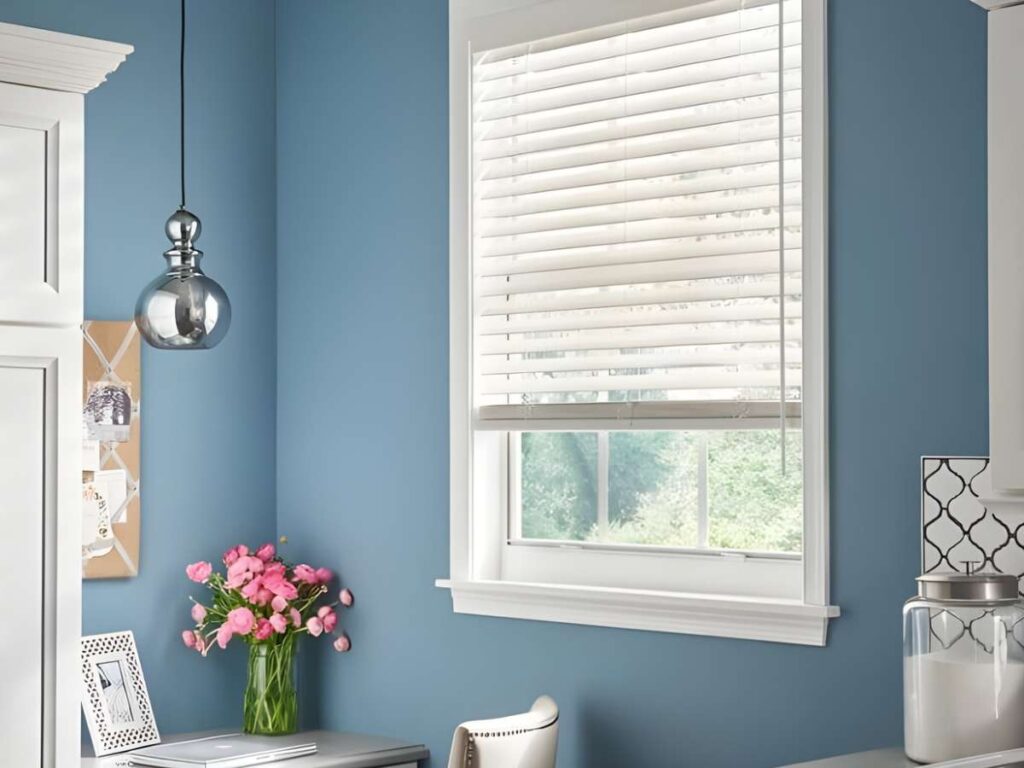
Faux wood blinds are crafted from composite materials designed to mimic the appearance of natural wood. Typically made from a blend of PVC, vinyl, and other synthetic materials, they are specifically engineered for moisture resistance and durability. These blinds are ideal for areas with high humidity, such as kitchens or bathrooms, where traditional wood blinds might warp or deteriorate over time.
While they offer a realistic wood-like appearance, faux wood blinds are more affordable and practical for rooms that experience moisture or fluctuating temperatures. They are also available in a variety of finishes and slat sizes, providing a customizable look for any home design.
The Timeless Appeal of Wood Blinds
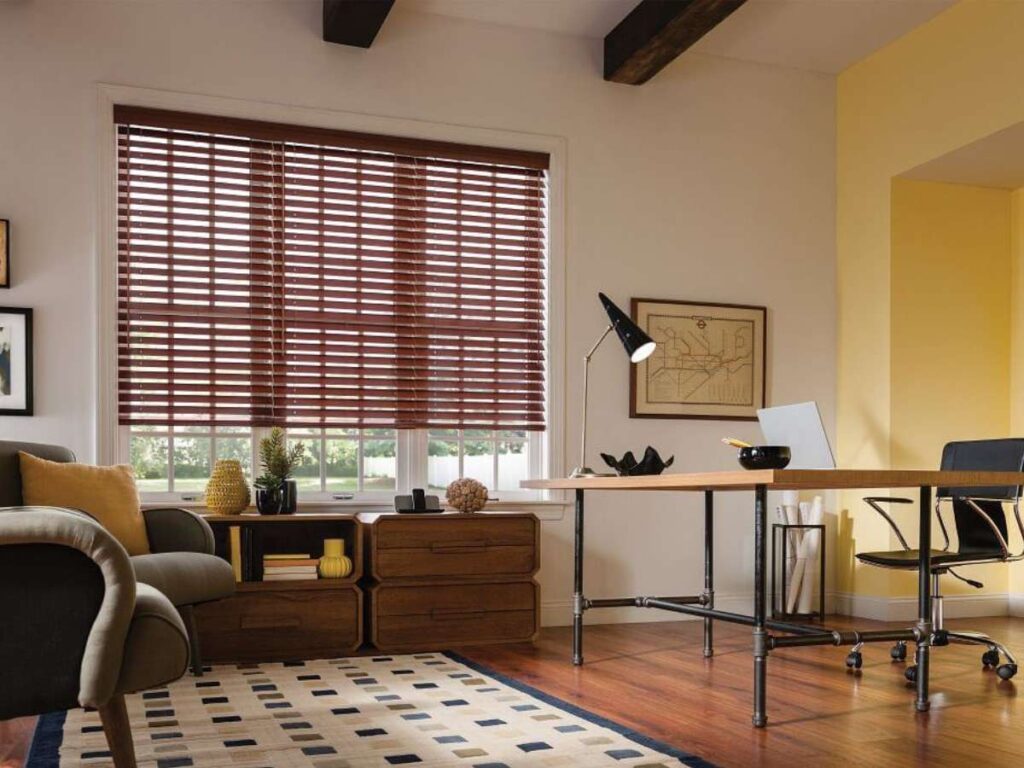
Wood blinds, on the other hand, are made from natural hardwoods such as basswood, oak, and walnut. Known for their rich, warm tones and natural grain patterns, wood blinds are often preferred by homeowners looking for elegance and sophistication in their window treatments. They are lightweight and have an inherent beauty that cannot be replicated by synthetic materials.
However, wood blinds are more vulnerable to moisture and temperature changes. Over time, they can warp, crack, or fade, particularly in areas with high humidity. They are best suited for living rooms, dining rooms, or bedrooms where they won’t be exposed to moisture as frequently.
Key Factors to Consider When Choosing Between Faux Wood and Wood Blinds
1. Durability and Moisture Resistance
Faux wood blinds are highly durable, especially in humid environments. They won’t warp, crack, or fade as quickly as wood blinds, making them a more practical option for kitchens, bathrooms, and areas with fluctuating temperatures. Conversely, wood blinds are more susceptible to damage from humidity and require extra care to maintain their appearance over time.
2. Cost-Effectiveness
If budget is a concern, faux wood blinds are a more affordable option without compromising on style. While wood blinds offer an unmatched natural aesthetic, they tend to be more expensive. Faux wood blinds give you a similar look for a fraction of the cost, making them a more practical choice for larger spaces or rental properties.
3. Maintenance and Longevity
Faux wood blinds are incredibly easy to maintain. A simple wipe with a damp cloth is often all that’s needed to keep them looking fresh. Wood blinds, however, require more attention. They need regular dusting and occasional refinishing to maintain their luster and prevent fading. If you’re looking for low-maintenance window treatments, faux wood is the clear winner.
4. Thermal Insulation and Energy Efficiency
Faux wood blinds deliver reliable insulation and unbeatable moisture resistance, helping maintain comfortable indoor temperatures year-round. While real wood blinds offer superior thermal properties for maximum energy savings, faux wood is often the smarter choice for humid spaces and consistent performance.
5. Eco-Friendly Considerations
If you are environmentally conscious, faux wood blinds made from composite materials may not be as eco-friendly as their natural counterparts. However, many manufacturers now offer wood blinds sourced from sustainably managed forests, making them a more environmentally responsible choice for homeowners who prioritize eco-friendly materials.
Feature | Faux Wood Blinds | Wood Blinds |
Durability | Highly durable | Less durable in humid areas |
Moisture Resistance | Excellent | Poor to moderate |
Cost | Cost-effective | Higher price point |
Maintenance | Low-maintenance | Higher maintenance |
Appearance | Realistic wood look | Natural, unique grain |
Key Factors to Consider When Choosing Between Faux Wood and Wood Blinds
- Faux wood blinds are more affordable, durable, and moisture-resistant compared to wood blinds.
- Wood blinds provide a timeless, natural look that enhances home decor but require more maintenance.
- Faux wood blinds are ideal for high-humidity areas like kitchens and bathrooms.
- Faux wood blinds offer better insulation and energy efficiency.
- Wood blinds are better for dry environments and are more eco-friendly when sourced sustainably.
FAQs About Faux Wood Blinds vs. Wood Blinds
1. Are faux wood blinds more durable than wood blinds?
Yes, faux wood blinds are more durable, particularly in humid environments. They are made from synthetic materials that resist moisture, warping, and fading. Wood blinds, while beautiful, can suffer from damage when exposed to high humidity, making faux wood a better choice for bathrooms and kitchens.
2. Which blinds are more cost-effective, faux wood or wood blinds?
Faux wood blinds are typically more cost-effective than wood blinds. They provide a similar appearance to wood but at a lower price point, making them ideal for budget-conscious homeowners. Wood blinds, on the other hand, are more expensive due to the cost of the natural materials and the craftsmanship required.
3. Can faux wood blinds be used in all rooms of the house?
Yes, faux wood blinds can be used in every room of the house, including areas with high humidity like kitchens and bathrooms. Their moisture resistance and durability make them versatile, while wood blinds are best suited for rooms where they won’t be exposed to moisture, such as living rooms and bedrooms.
Ready to Transform Your Windows?
Choosing between faux wood blinds and wood blinds doesn’t have to be overwhelming. Whether you’re looking for durability, style, or budget-friendly options, each has its unique advantages. At MITS Rockville, we offer expert advice and a wide selection of window treatments to suit your needs.
Contact us today to schedule a consultation and find the perfect window coverings for your home!