The best summer window treatments reduce heat, soften harsh sunlight, and help maintain a more comfortable indoor temperature. Cellular shades, solar shades, shutters, and lined drapes are some of the strongest options for summer insulation and UV protection. Your ideal choice depends on the direction your windows face. Think about how much natural light you want and the level of privacy or energy efficiency you need.
Start With Your Main Concern
Summer sunlight can affect each room differently. A west-facing living room may become hot in the afternoon, while a bedroom may need stronger light control for comfortable sleep.
Before comparing different window treatments, identify the problem you want to solve. Then compare blinds, shades, curtains, and shutters that address that need.
- Excessive indoor heat
- Glare on televisions or computer screens
- UV exposure that can fade flooring and furniture
- Limited privacy during longer daylight hours
- Higher cooling and energy costs
The right treatment should address your primary concern without making the room feel too dark or closed off.
Compare Summer Treatment Options
Different products manage sunlight and temperature in different ways.
Window treatment | Best summer benefit | Ideal spaces |
Solar shades | Reduce glare and UV exposure | Living rooms and offices |
Cellular shades | Provide insulating air pockets | Bedrooms and sunny rooms |
Blackout shades | Block strong light and support cooling | Bedrooms and media rooms |
Shutters | Offer adjustable light control | Living areas and kitchens |
Thermal curtains | Reduce heat transfer | Bedrooms and large windows |
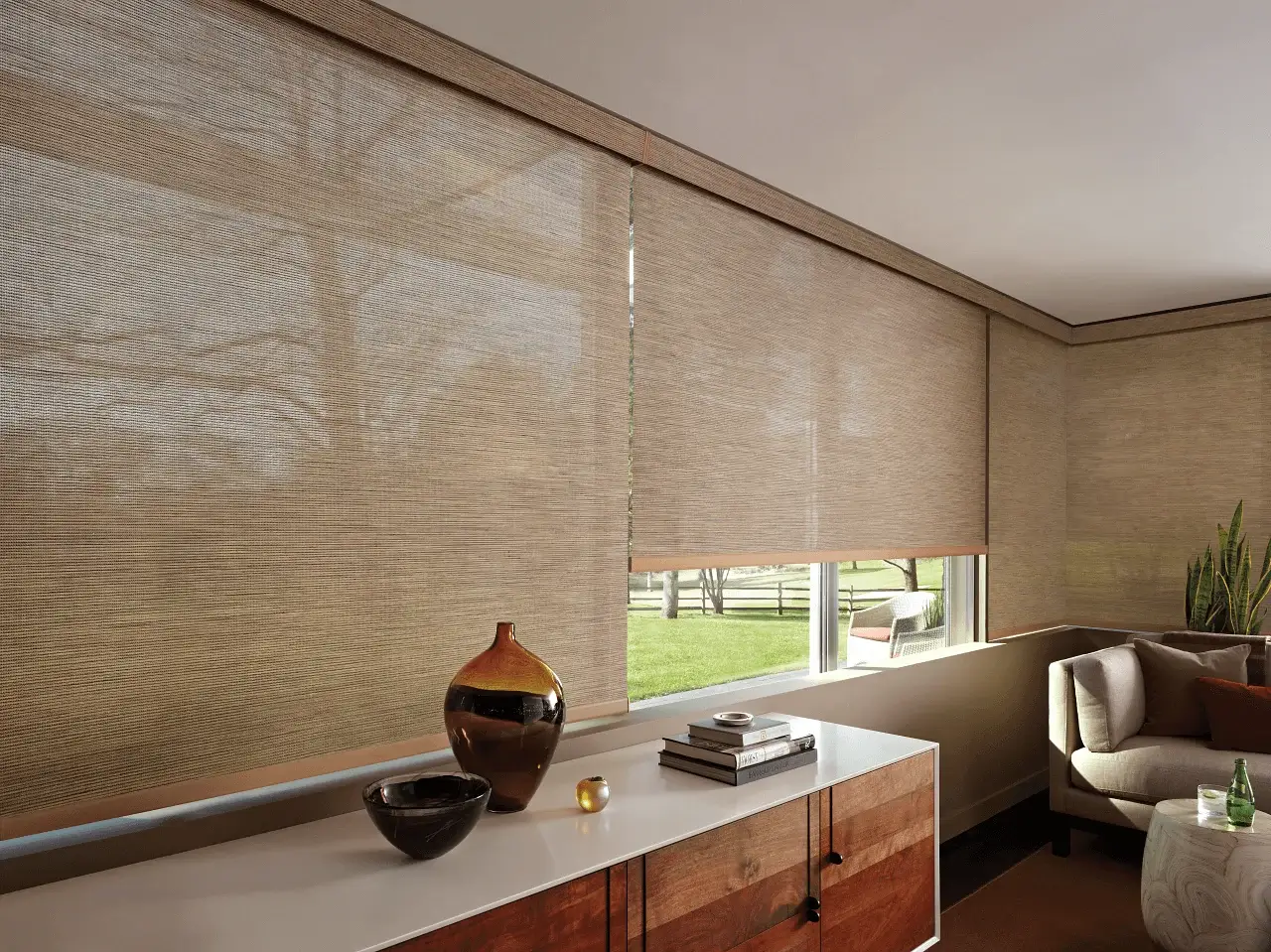
Woven shades | Add filtered light and natural texture | Dining rooms and casual spaces |
Solar and Roller Shades
Solar shades use specialized mesh materials to reduce glare and limit solar heat gain. Their reflectivity can help keep strong sun from overwhelming a room while preserving some outdoor visibility.
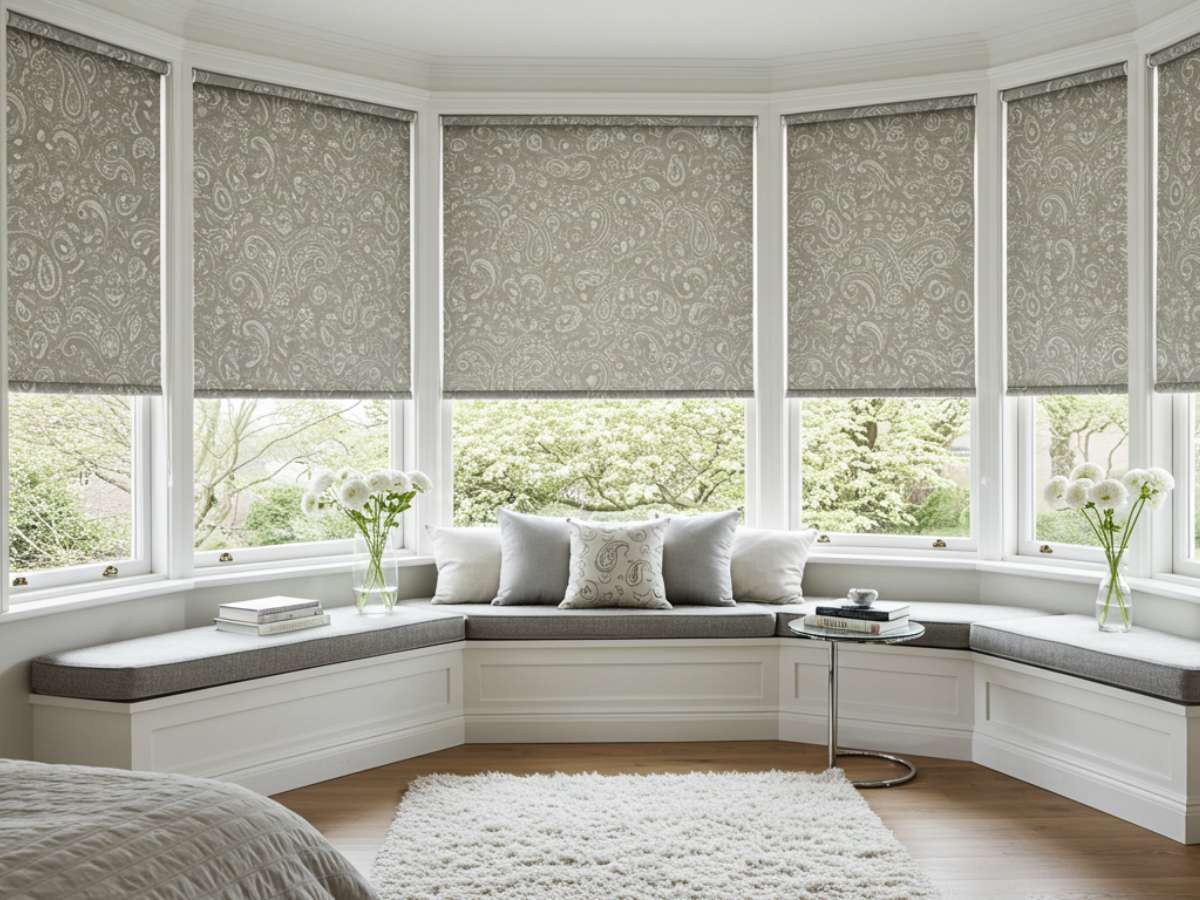
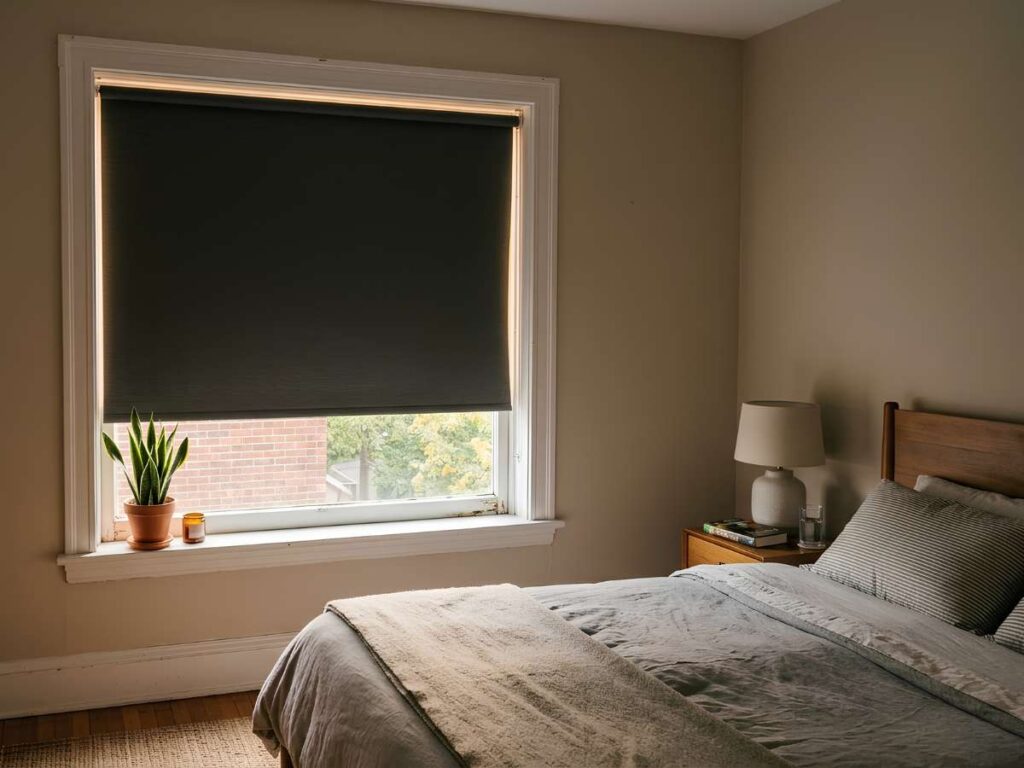
Roller shades offer a similar streamlined design with more fabric and opacity choices. Light-filtering materials soften brightness, while blackout materials provide stronger coverage. Custom roller shades can also fit closely within window frames, which helps reduce gaps around the edges.
Cellular and Thermal Shades
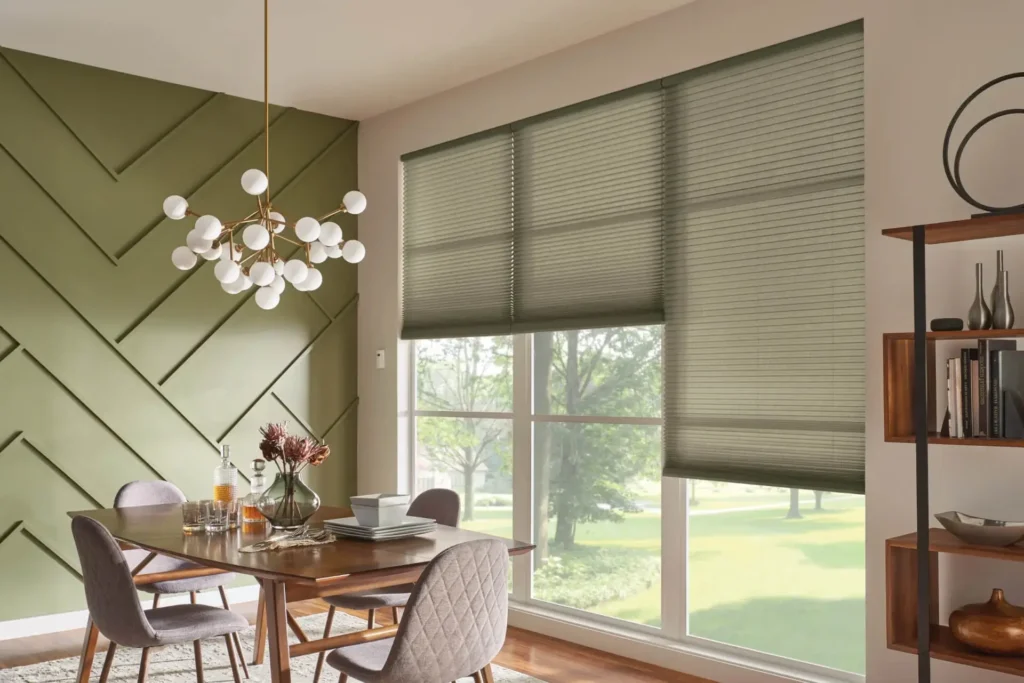
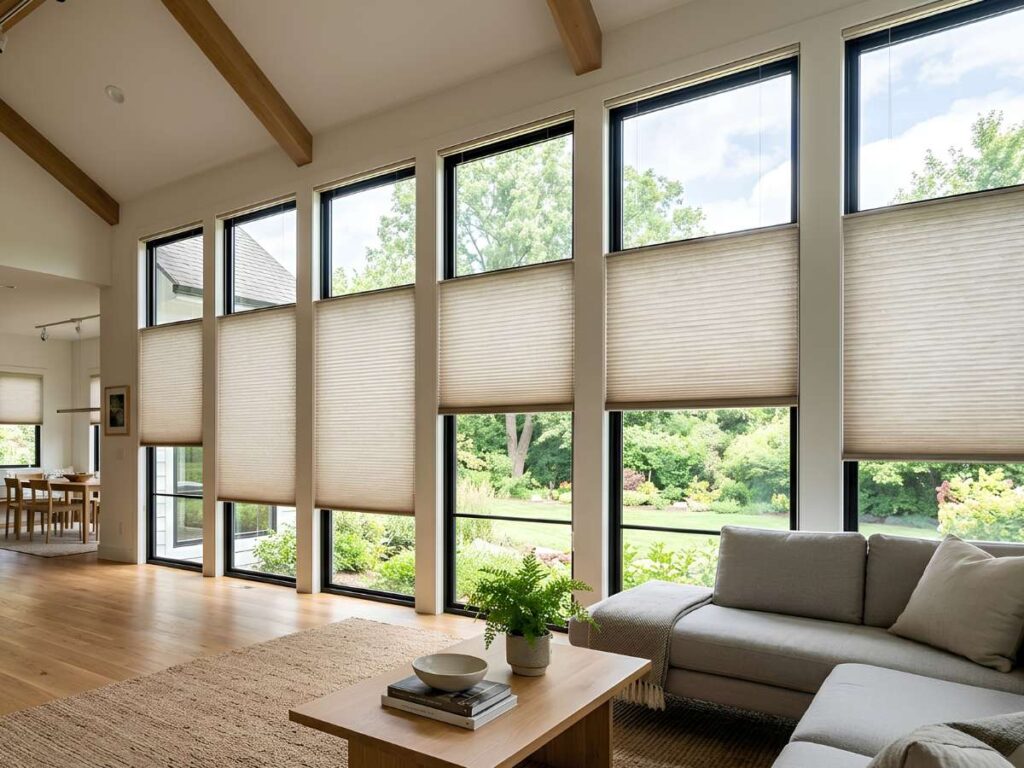
Cellular shades are among the most insulating summer options. Their honeycomb-shaped cells trap air near the glass and slow the movement of heat into the room.
Double-cell designs generally offer more insulation than single-cell options. Thermal materials or reflective backing can provide additional temperature control for windows that receive direct afternoon sunlight.
Shutters and Blinds
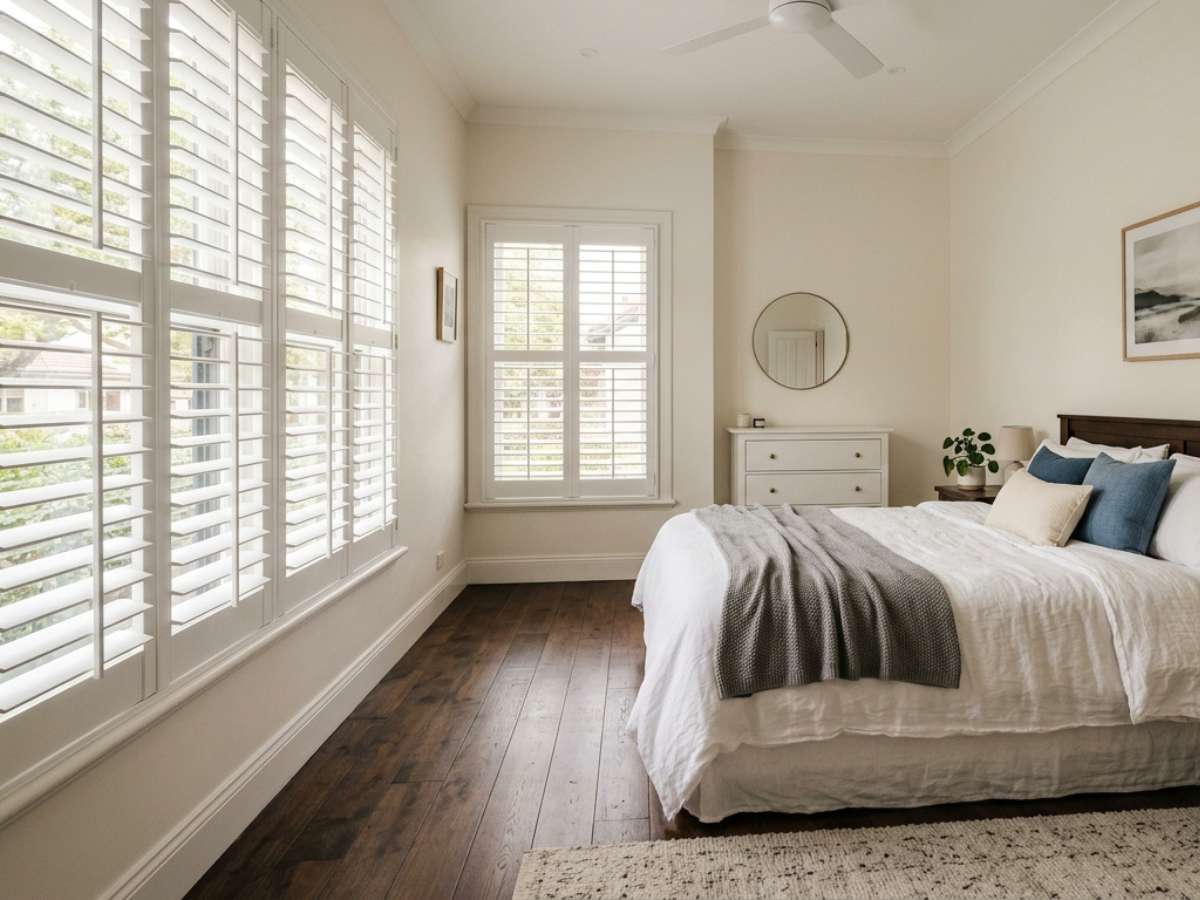
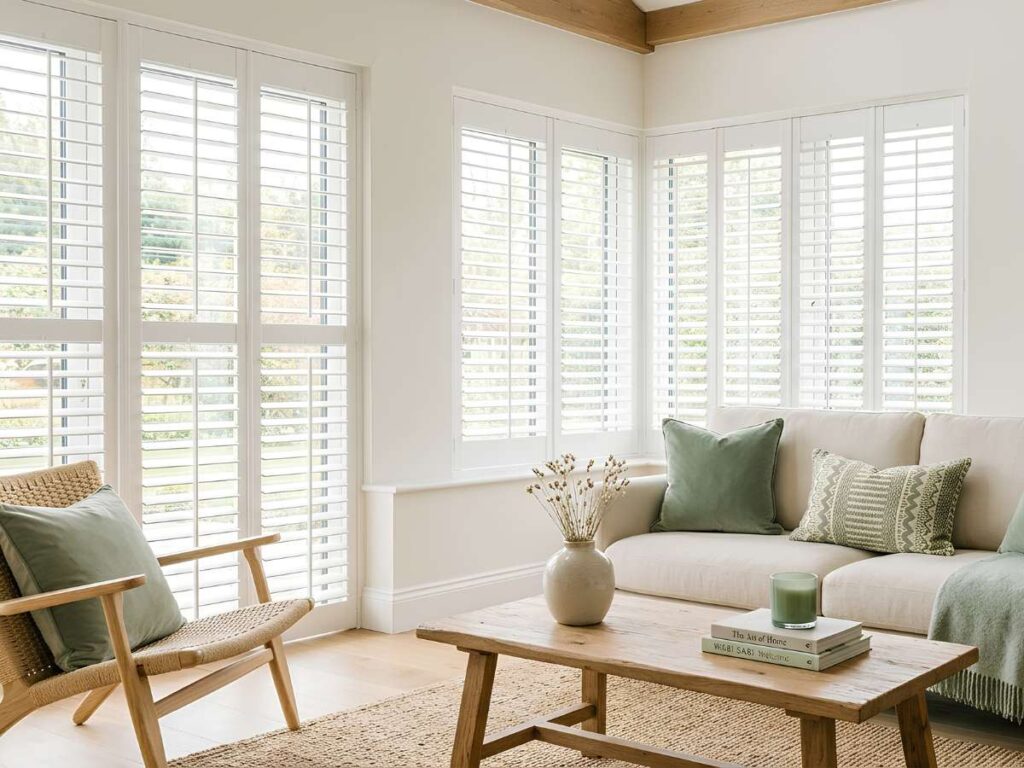
Interior shutters provide durable sun control through adjustable louvers. Tilting the louvers can redirect light toward the ceiling while reducing direct exposure on floors and furnishings.
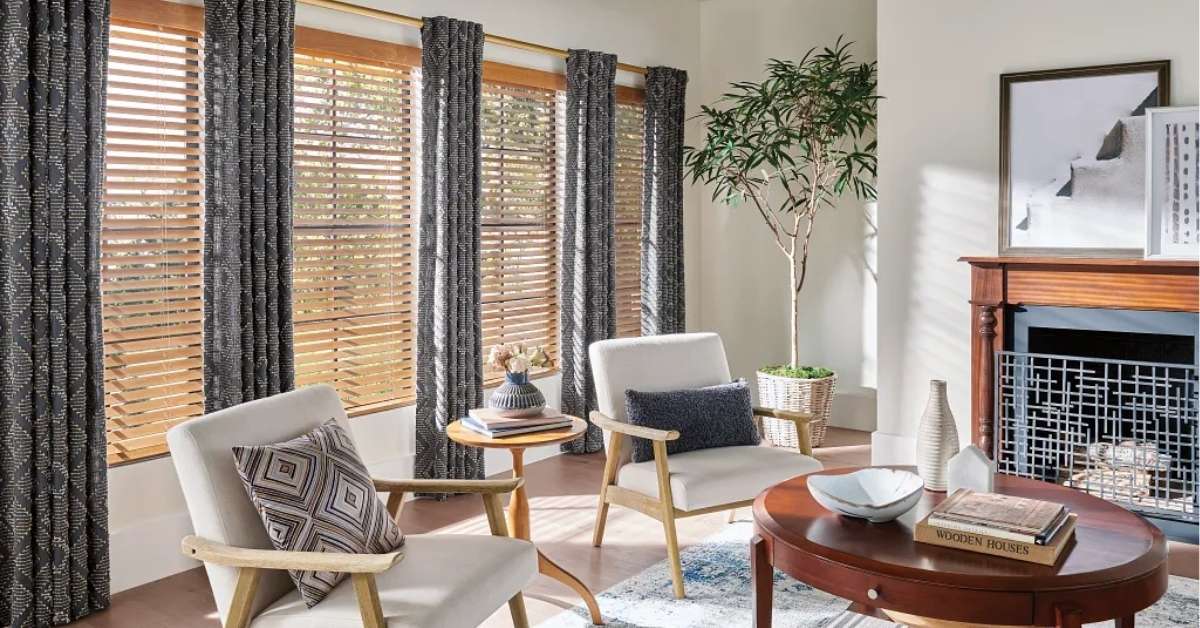
Wood and faux wood blinds provide similar flexibility. They can be adjusted throughout the day, although small gaps between the slats may allow more heat and light to enter than a continuous shade.
Consider Softer Window Coverings
Curtains and drapes can support summer comfort when they include an insulating liner. Thermal drapes provide better heat control than lightweight decorative panels. Floor-length coverage can also reduce warm air movement around large windows or patio doors.
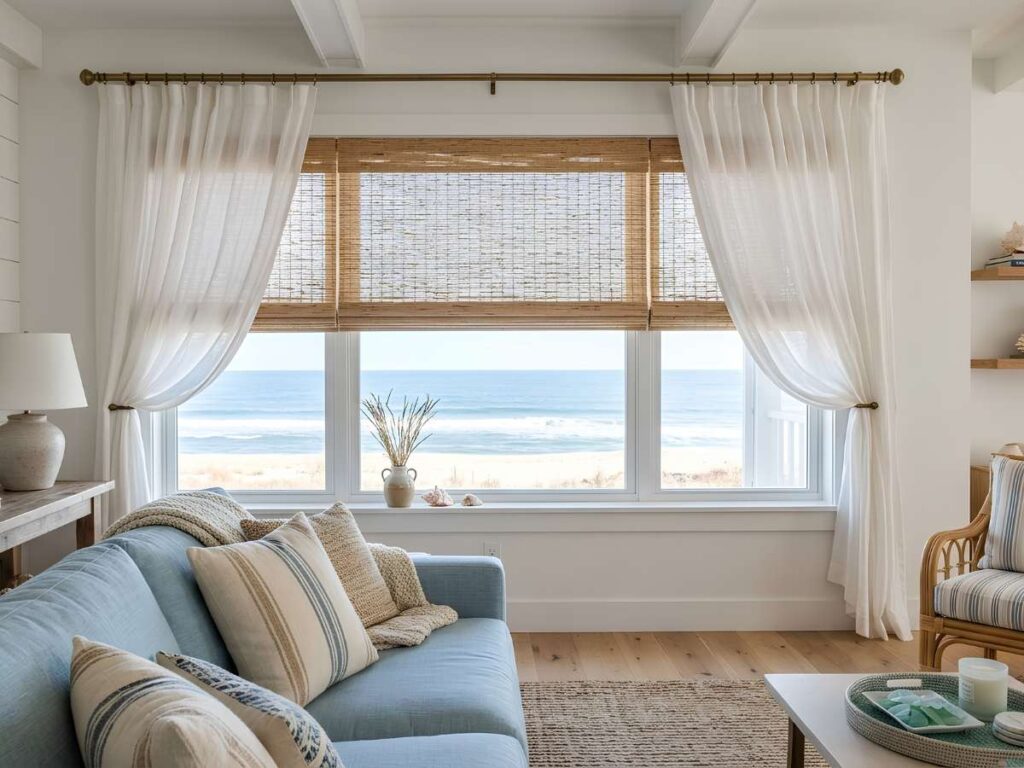
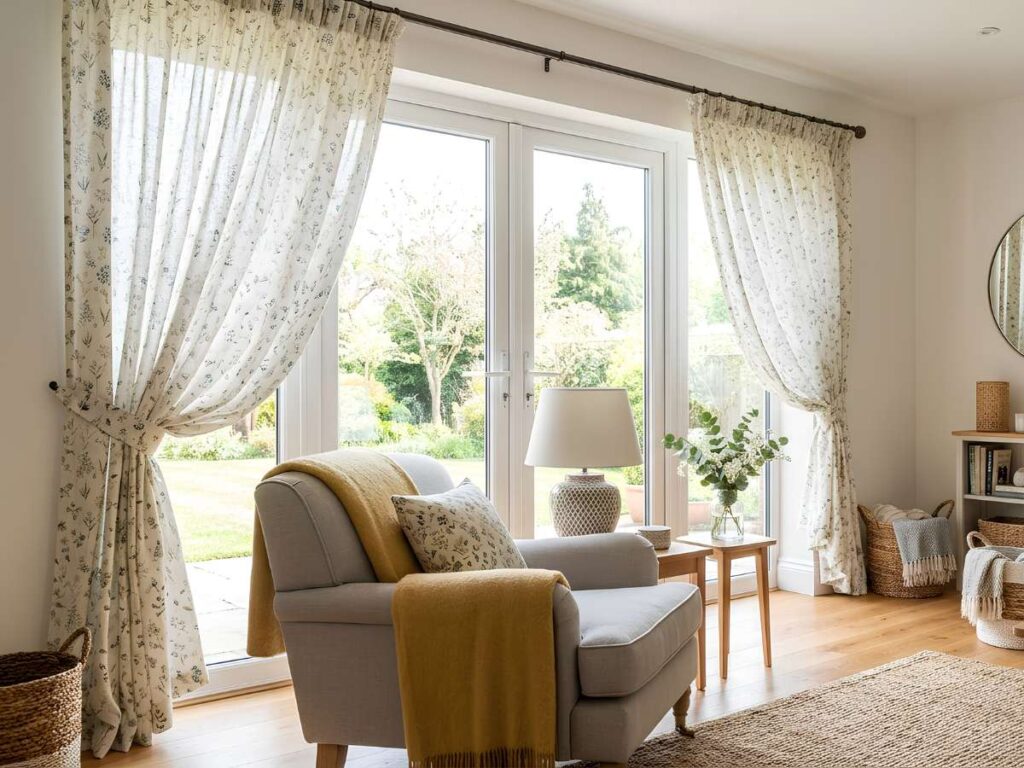
Sheer curtains offer greater breathability and softly diffuse daylight, but they provide limited insulation on their own. Layering sheer panels with lined drapes or shades gives you better control throughout the day.
Bamboo and woven shades create a relaxed appearance with natural texture. Their open construction may allow light and heat through, so adding a privacy or thermal liner can improve performance.
Look at Window Direction
The direction of each window can guide your selection. Sun exposure changes throughout the day, so choosing the right treatment for each window can improve comfort and energy efficiency.
East- and West-Facing Windows
East-facing windows receive strong morning sun. West-facing windows usually experience more intense afternoon heat. Solar shades, cellular shades, or blackout roller shades can provide effective coverage during peak hours.
South-Facing Windows
South-facing windows may receive steady sunlight for much of the day. Treatments with strong UV resistance, insulation, and reflectivity can help maintain a more consistent indoor temperature.
North-Facing Windows
North-facing rooms usually receive softer daylight. Sheer shades, woven materials, or lightweight blinds may provide enough control without significantly reducing natural light.
Add Convenient Operating Features
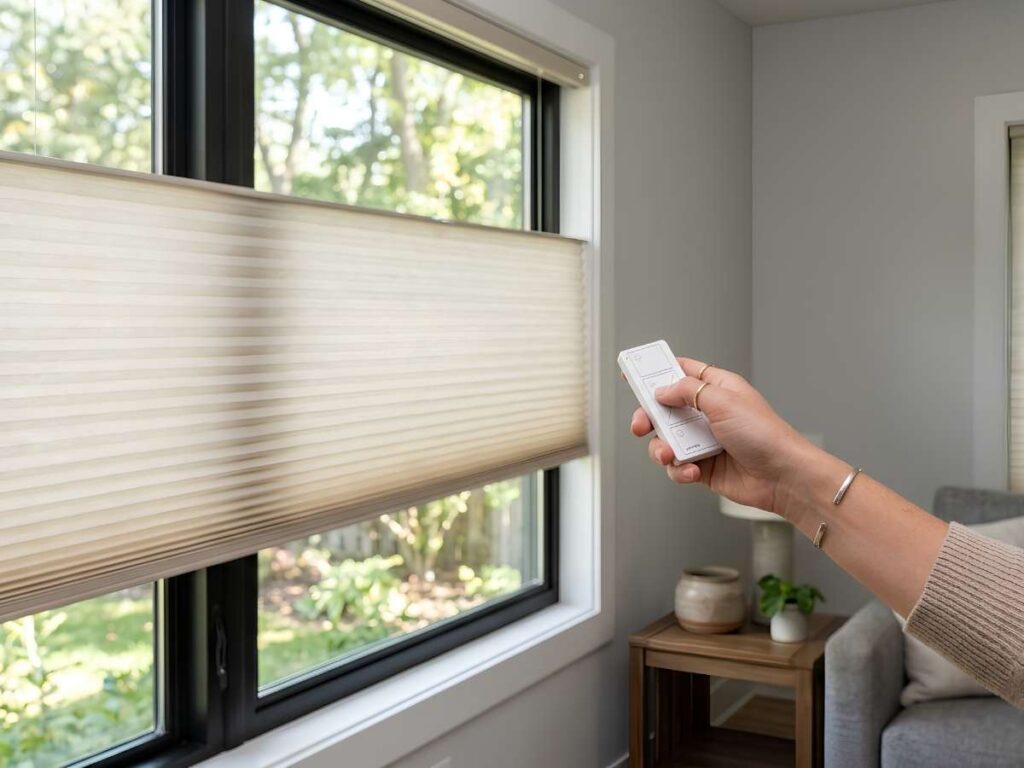
Motorized window treatments make it easier to manage tall windows and hard-to-reach areas. They are also useful for coordinating several shades across a large room.
Timers and compatible smart controls can lower shades before the hottest part of the day. This helps limit solar heat before it enters the home. Motorization can also improve convenience for patio doors and large groups of windows.
Frequently Asked Questions About Summer Window Treatments
1. What window treatments block summer heat best?
Cellular shades, thermal drapes, shutters, and reflective roller shades are strong options. A close custom fit can improve their insulating performance.
2. Do blackout shades help keep rooms cool?
Yes. Blackout shades reduce incoming light and can limit solar heat gain, especially when they include thermal or reflective backing.
3. Are solar shades private at night?
Solar shades may provide daytime privacy, but visibility can reverse when indoor lights are on. Pairing them with curtains or drapes can improve nighttime privacy.
4. What are the best treatments for patio doors?
Roller shades, vertical blinds, panel-style coverings, and drapes can work well for patio doors. The best option should provide easy access without interfering with the door’s operation.
5. Is custom sizing important for summer insulation?
Yes. Custom treatments fit the window more closely, which helps reduce gaps around the edges. A tighter fit can improve light control and limit unwanted heat transfer.
Make Summer Comfort Easier
Choosing summer window treatments starts with understanding how each room is affected by heat, sunlight, and privacy. The most effective solution may involve one insulating product or a layered combination that balances cooling with natural light. A custom fit can also improve performance by reducing gaps where sunlight and warm air enter.
A well-planned window treatment can make your home feel cooler and more comfortable throughout the hottest months. MITS Rockville can help you compare practical window treatment options for your home. Schedule an in-home consultation to find a solution that fits your windows. We’ll help you choose one that also supports your daily routine and summer comfort goals.