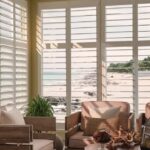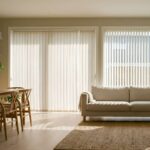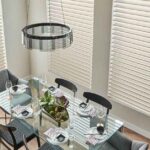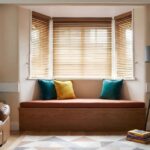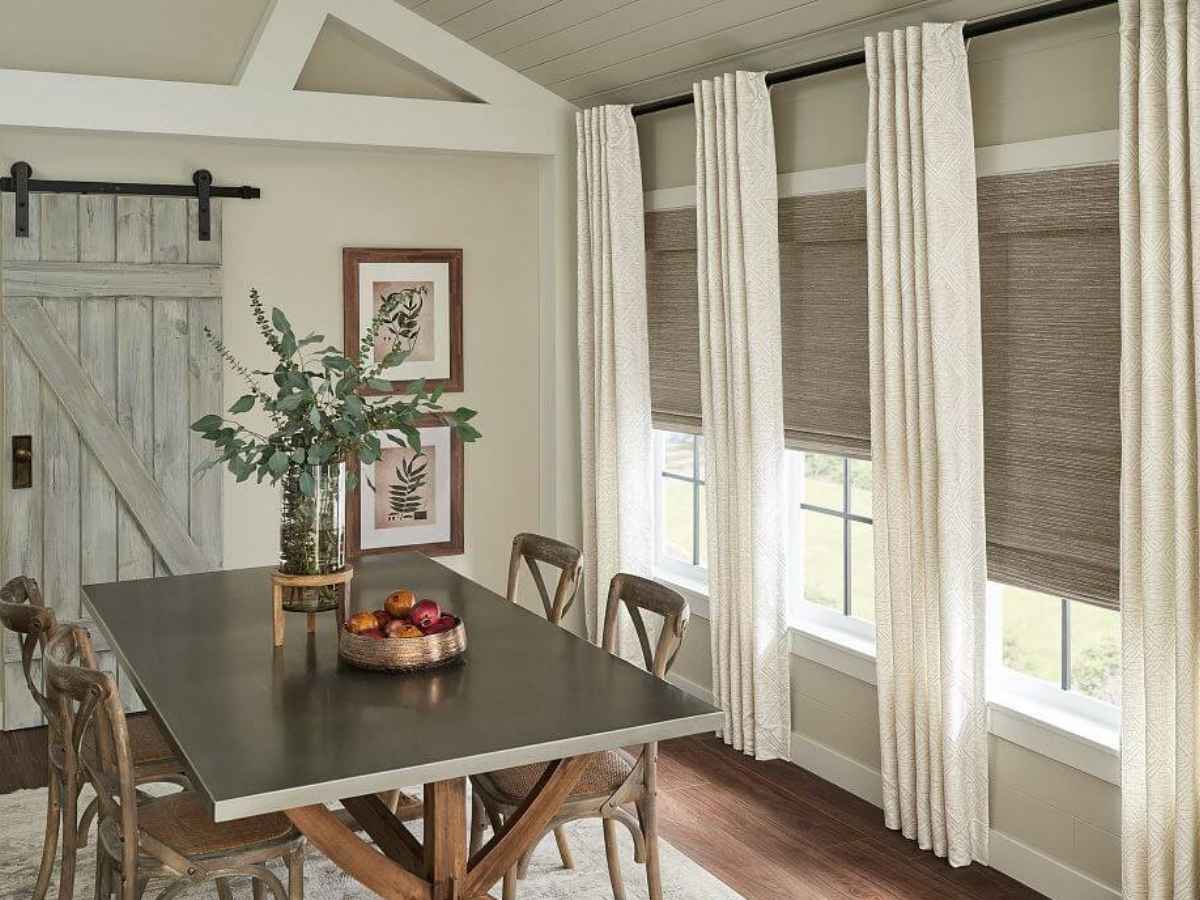
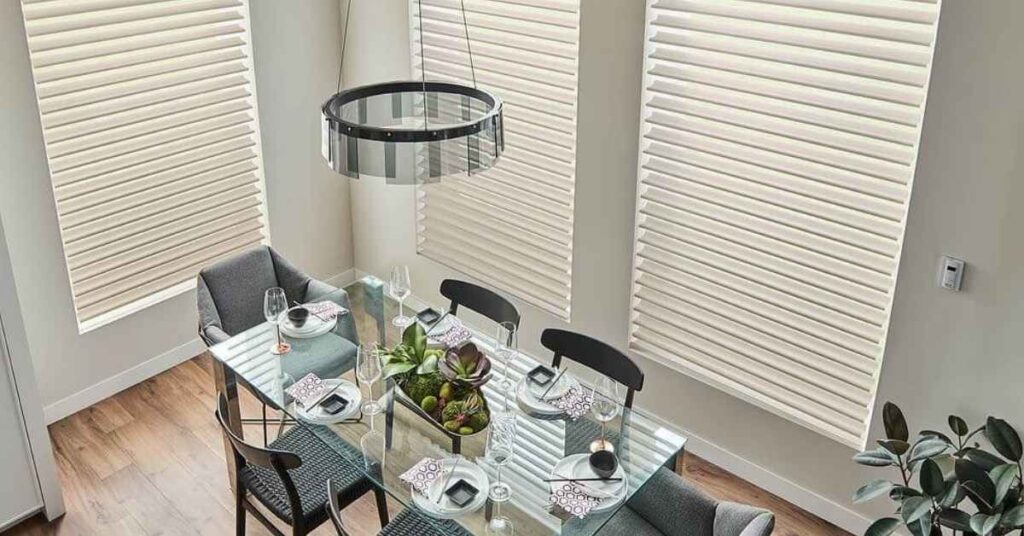
Choosing the right shades for dining rooms requires more than selecting a color that matches your decor. The best window treatments should balance lighting and privacy while complementing your style and setting the atmosphere you want for everyday meals and special gatherings. From elegant Roman shades to natural woven coverings, different options can add texture and warmth to your dining space.
Consider Your Dining Room Needs
Dining rooms often serve many purposes. They may be used for family meals and entertaining guests while creating a formal setting for special occasions. Your window treatments should support these activities while fitting your overall interior design.
Before choosing shades, consider:
- Lighting needs: Decide how much natural light you want throughout the day.
- Privacy concerns: Consider whether your windows face nearby homes or outdoor areas.
- Design style: Select shades that complement your furniture and decor.
- Function: Choose coverings that are easy to adjust based on your routine.
Large windows may benefit from flexible shades that help manage brightness while keeping views available. Smaller dining spaces can use treatments that add warmth without overwhelming the room.
Match Shades With Your Style
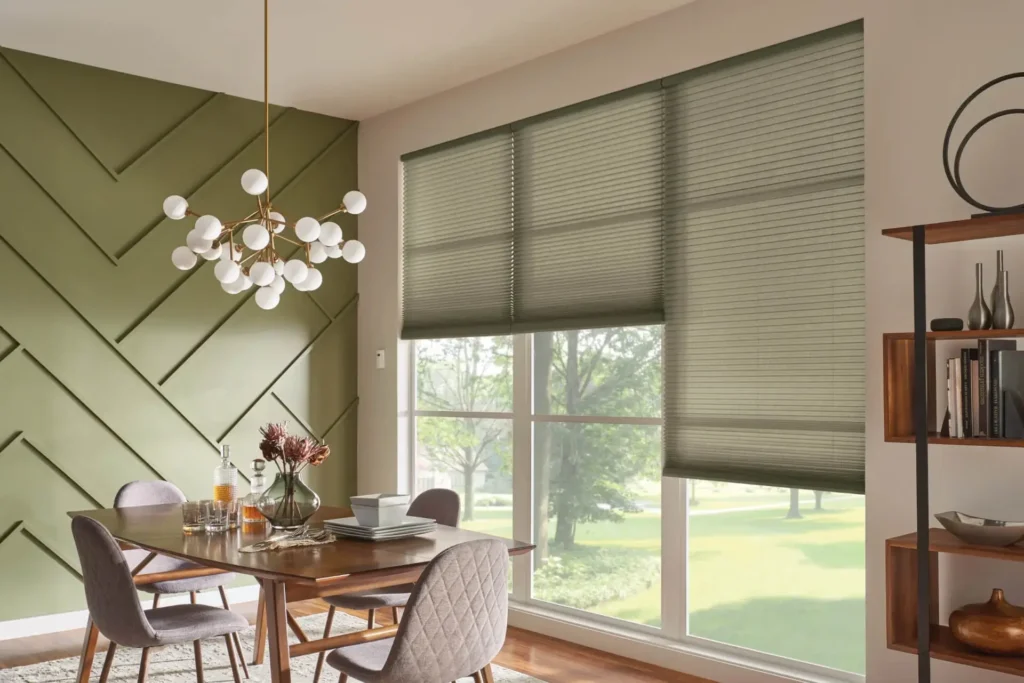
The right shades can become a key part of your dining room design. They add visual interest through fabric and texture while helping the room feel complete.
Formal Dining Room Styles
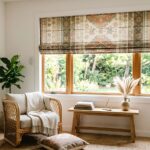
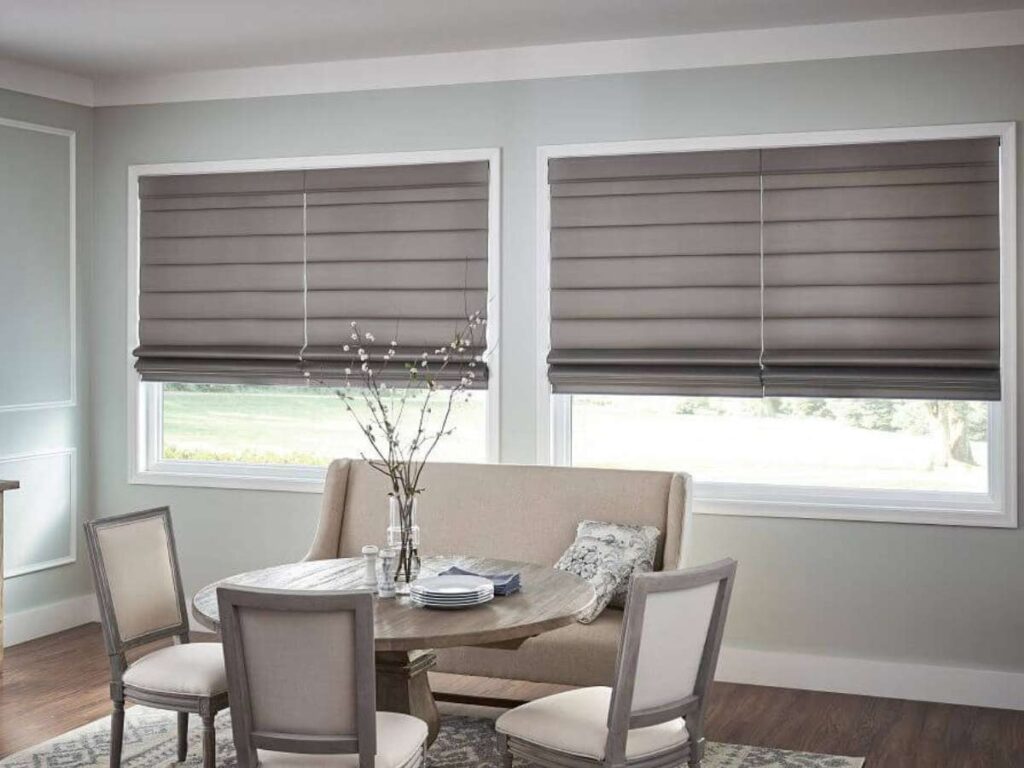
Formal dining rooms often pair well with shades that have refined details. Roman shades are a popular choice because their soft folds create a tailored appearance that works with traditional and transitional interiors.
Fabric options in subtle colors or patterns can add elegance without distracting from other design elements. Coordinating shades with existing furniture finishes can create a balanced look.
Modern Dining Room Designs
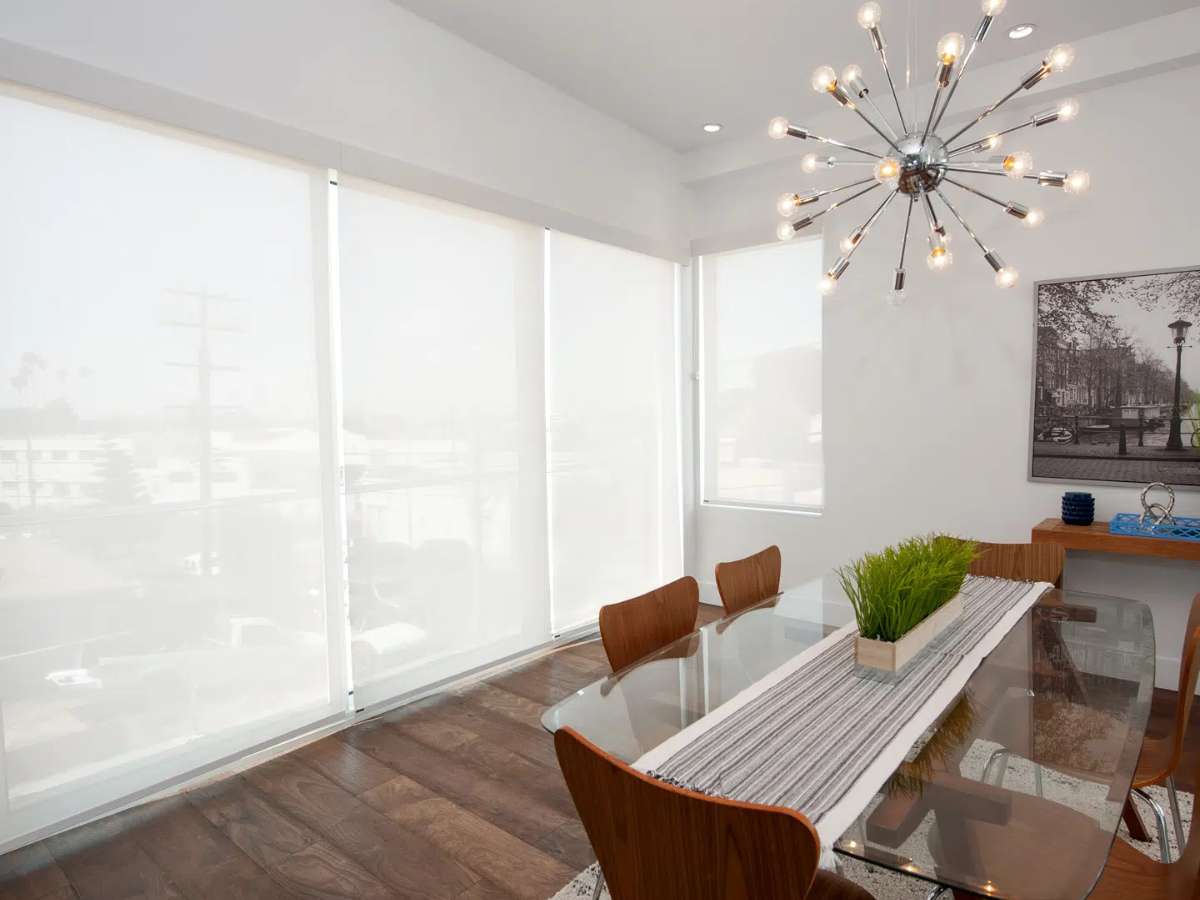
Modern dining spaces often benefit from simple window coverings with clean lines. Roller shades offer a streamlined option that works well with contemporary decor.
Solar shades can help manage glare while maintaining a connection to outdoor views. Their minimal appearance makes them a practical choice for modern interiors.
Explore Shade Materials
The material you choose influences the mood and character of your dining area. Each option offers different benefits for texture and privacy while supporting your preferred style.
Shade Type | Design Benefits |
Adds softness and tailored detail | |
Creates a sleek appearance | |
Provides a layered design | |
Filters light while keeping an open feel | |
Adds natural texture and warmth | |
Bamboo shades | Brings organic materials into the room |
Wood and bamboo shades can complement dining rooms with organic-inspired decor. Their texture adds warmth while pairing well with furniture made from wood and other organic materials.
Balance Light and Privacy
Dining rooms need balanced lighting to feel inviting. Too much sunlight can create glare, while limited natural light may make the room feel less open.
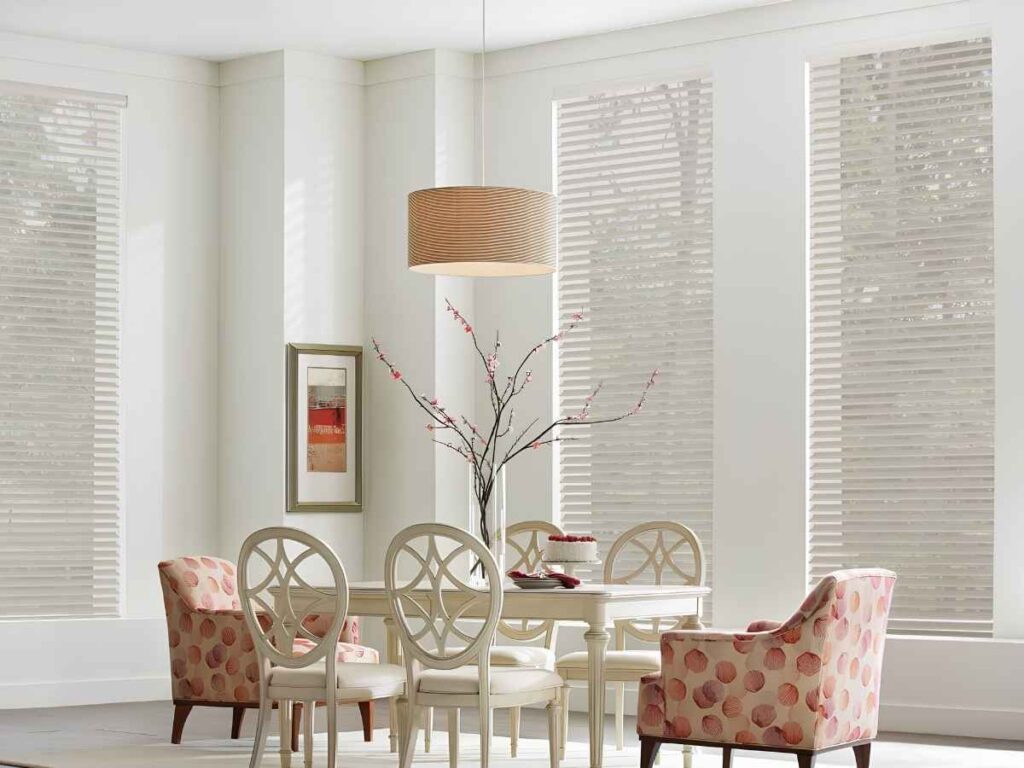
Sheer shades allow filtered light to enter while providing some privacy. They are useful for spaces where homeowners want brightness without completely covering the windows.
If sheer shades are on your list for the dining room, cost can vary based on size and fabric. Check out our full guide.
For greater flexibility, layered treatments can help adjust coverage throughout the day. This allows you to create different moods depending on the occasion.
Choose Custom Shades
Every dining room has unique windows and design goals. Custom shades allow homeowners to select treatments that fit their space and complement their interior style. They can help address unusual window sizes and specific design preferences. They also allow you to choose materials and operating options that match your lifestyle.
FAQs About Dining Room Shades
Can shades work in open-concept dining areas?
Yes. Shades can help create a visual boundary for dining areas within open layouts. Coordinating window treatments with nearby spaces can create a more connected design.
Are natural shades difficult to maintain?
Natural shades made from materials like bamboo and woven fibers require regular care to maintain their appearance. Following recommended cleaning methods can help protect the material.
Should dining room shades match other window treatments?
They do not have to match exactly. Using similar colors and materials while incorporating complementary textures can create a consistent design throughout your home.
Can shades fit unusually shaped dining room windows?
Some custom shade options can be designed for specialty window shapes. A professional consultation can help determine the right approach.
Are motorized shades useful in dining rooms?
Motorized shades can make adjusting window coverings easier, especially for larger windows or hard-to-reach areas. They can also support a more convenient daily routine.
Personalize Your Dining Room Style
The perfect shades for dining rooms should support both the appearance and function of your space. Considering lighting and privacy while factoring in materials and design preferences can help you choose window treatments that fit your home.
MITS Rockville helps homeowners explore custom shades and coverings designed around their dining spaces. Schedule an in-home consultation to compare options that match your style and everyday needs.