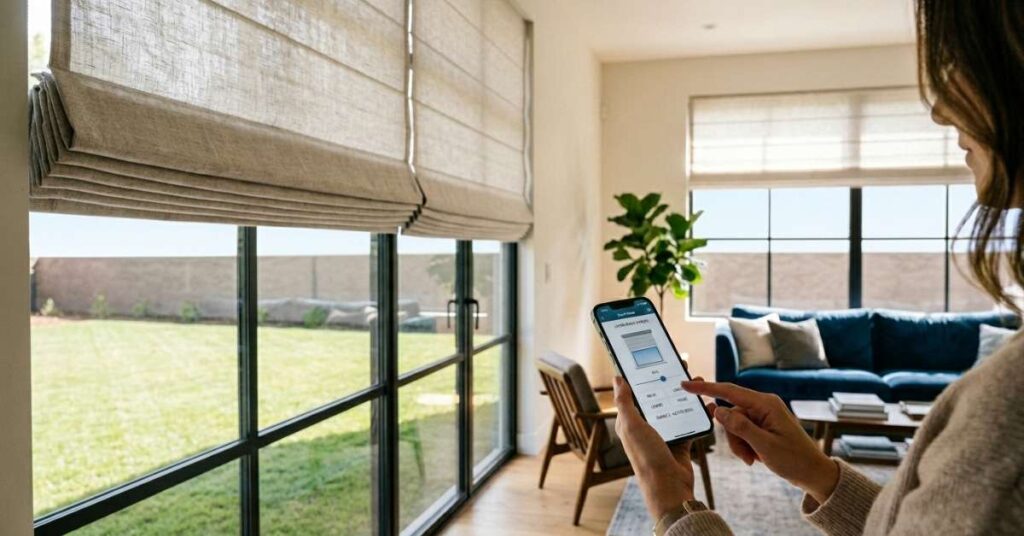
Automated Roman shades offer a modern solution for homeowners seeking convenience, style, and energy efficiency. By combining the elegance of traditional Roman shades with motorized operation, these window coverings provide precise control over light, privacy, and ambiance. Before investing, it’s important to understand the key features, installation requirements, power options, and design considerations to ensure your automated shades meet your home’s needs.
Why Choose Automated Roman Shades
Automated Roman shades integrate classic fabric treatments with modern automation. They allow you to raise or lower your shades with a remote, smartphone app, or voice command through your smart home system. This combination of beauty and control makes them ideal for living rooms, bedrooms, or any space with hard-to-reach windows.
Key advantages include:
- Smooth lift and operation via an electric or battery-powered mechanism
- Cordless design for safety in homes with children or pets
- Consistent performance with motorized or rechargeable systems
- Integration with smart home systems for schedules and automation
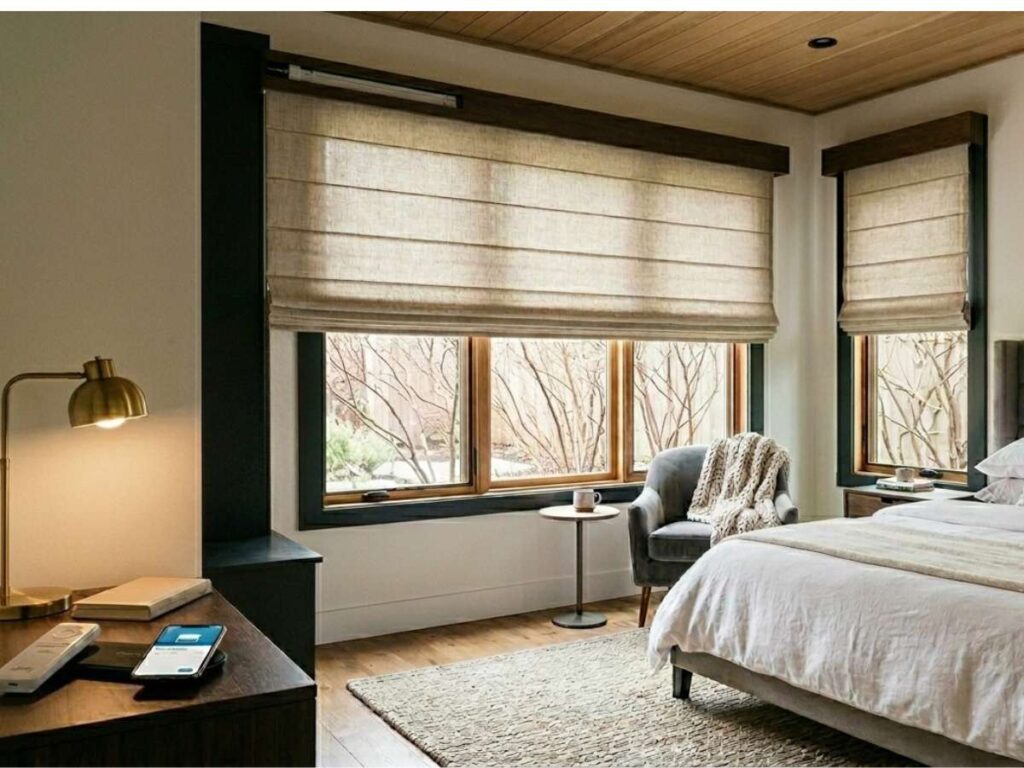
1. Understanding Motorization and Power Options
When selecting automated Roman shades, motorization is central. There are multiple power options:
Power Type | Pros | Considerations |
Battery-powered | Easy installation, no wiring | Requires periodic recharging or battery replacement |
Rechargeable | Eliminates frequent battery swaps | Needs occasional charging; longer lifespan than disposable batteries |
Hardwired | Continuous power, no battery maintenance | Requires professional installation and electrical work |
Your choice will influence both cost and the long-term convenience of your shades.
2. Mounting and Installation
Automated shades can be mounted inside or outside the window frame. Key considerations include:
- Inside mount: Sleek, flush look; requires accurate measurement for a perfect fit.
- Outside mount: Adds height or covers imperfections; easier for large or irregular windows
Professional installation ensures your motorized mechanism works smoothly and your fabric is not stressed, preserving the design and longevity of your window treatments.
3. Fabric and Design Options
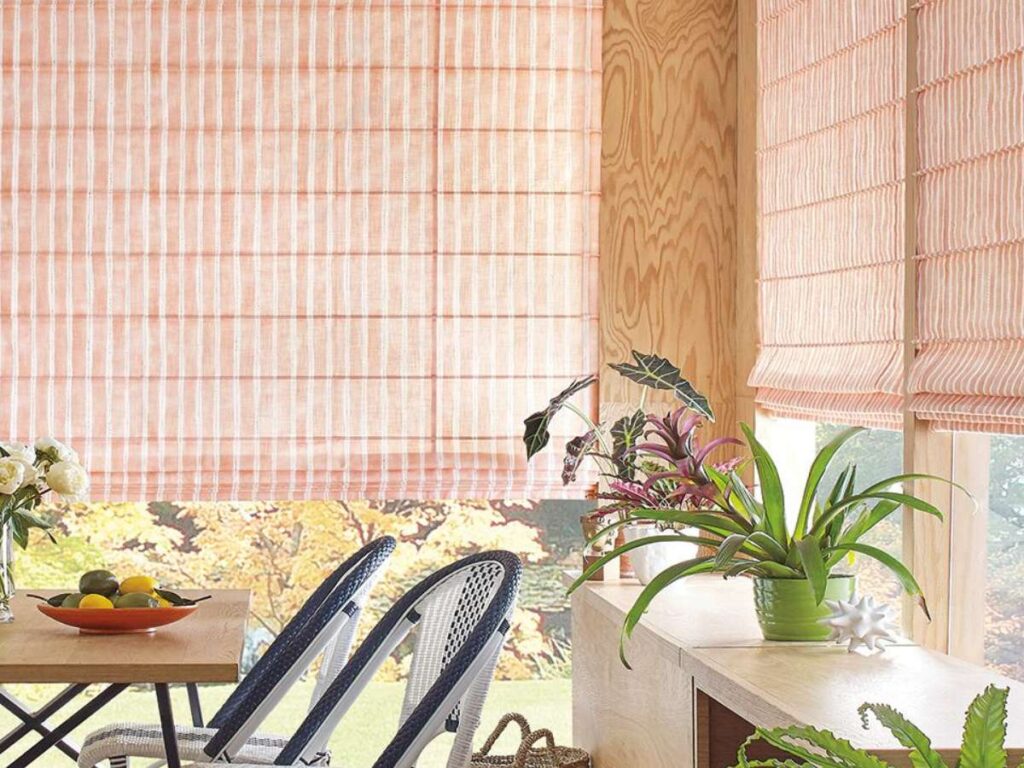
Automated Roman shades come in a variety of custom fabrics, colors, and patterns. Consider:
- Opacity & lining: Light-filtering or blackout, depending on room needs
- Fabric weight: Heavier fabrics may need stronger motors; lighter fabrics lift more easily
- Design integration: Automated shades can complement drapery or layered window coverings, maintaining a cohesive look
Choosing the right fabric ensures smooth lift, protects the motorized mechanism, and enhances your room’s aesthetic.
Exploring other fabric window solutions? See how Roman shades compare to roller shades in design, function, and value.
4. Smart Features and Control Options
Modern automated Roman shades can include:
- Remote control: Individual or group operation of multiple windows
- Smartphone app: Schedule raises/lowers or integrate with home automation systems
- Voice activation: Compatible with smart assistants like Alexa or Google Home
These features simplify daily operation, improve energy efficiency, and offer tailored control for busy households.
5. Cost Considerations
The cost of automated Roman shades depends on several factors:
- Fabric type and customization
- Motor type (battery, rechargeable, hardwired)
- Window size and mount
- Smart features or app integration
- Professional installation and hardware
While the initial investment is higher than for manual shades, the convenience, safety, and energy savings often justify the cost.
FAQs About Automated Roman Shades
1. How do automated Roman shades improve energy efficiency in my home?
They adjust automatically to sunlight, reducing heat gain and loss, lowering HVAC use, and maintaining comfort.
2. How often do I need to recharge battery-powered shades?
Recharge frequency depends on shade size and motor power. Typically, smaller windows last 3–6 months per charge, while larger, heavier shades may need more frequent attention.
3. Are automated shades noisy during operation?
High-quality motorized mechanisms are designed to run quietly. You may hear a gentle hum, but it’s much lower than with older or low-quality motors.
4. What maintenance is required for motorized Roman shades?
Light dusting and occasional checks of the motor, lift, and fabric keep your automated shades running smoothly.
5. Is it possible to retrofit existing Roman shades with a motor?
Some manual shades can be upgraded, but it depends on fabric weight, size, and mechanism compatibility. Professional assessment ensures safe and effective retrofitting.
Wrapping Up Your Automated Roman Shades Decision
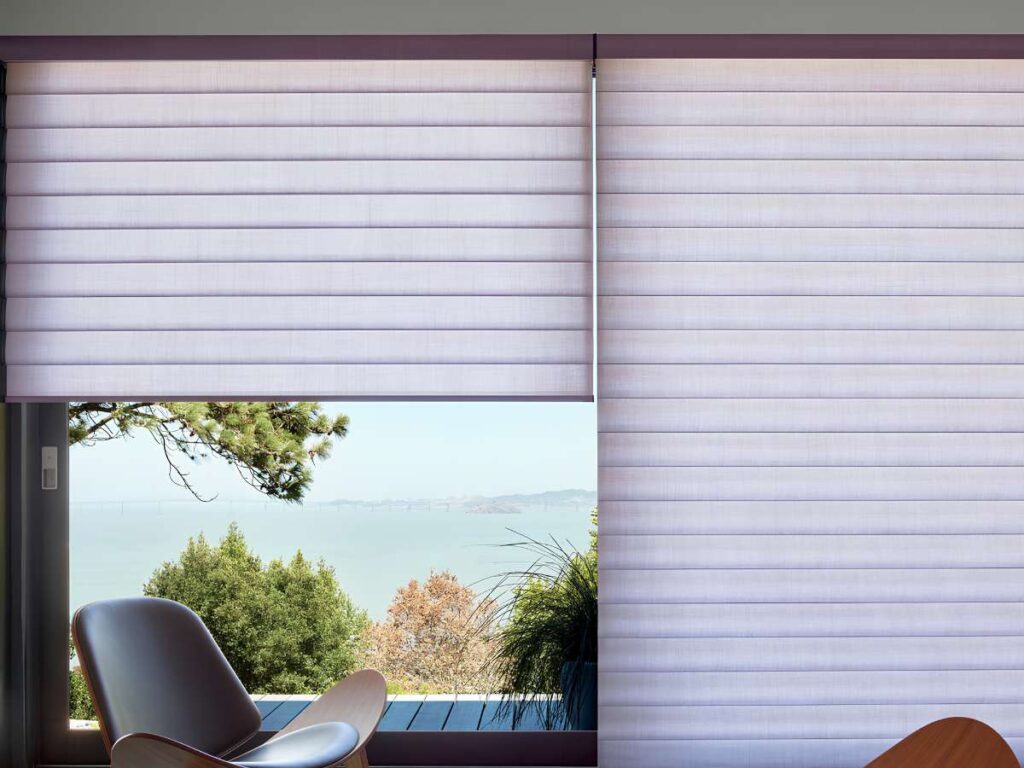
Automated Roman shades combine timeless style with modern convenience, enhancing both function and comfort in your home. Understanding motorization, fabric selection, mounting options, and smart features helps you make a well-informed choice. With proper installation and design, your automated shades deliver years of reliable operation, energy efficiency, and effortless control.
Made in the Shade Rockville offers expert guidance on selecting and installing custom automated Roman shades tailored to your space. Schedule a consultation today to explore options and see how motorized shades can elevate your home’s style and convenience.