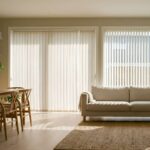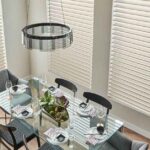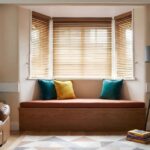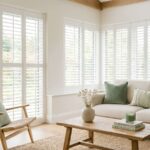
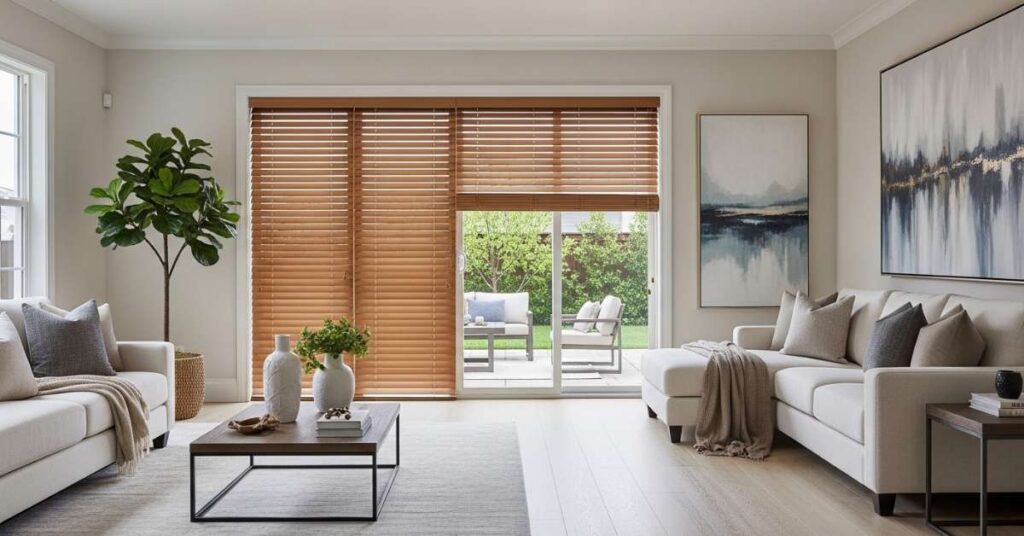
Modern window shades for living room spaces focus on clean lines, smart functionality, and natural textures. Today’s trends blend minimalist design with motorized convenience, sustainable materials like bamboo and linen, and layered solutions that balance privacy, light, and comfort. The goal is simple: create a space that feels calm, efficient, and tailored to how you actually live.
The Shift Toward Minimalist and Architectural Design
Living rooms are becoming more intentional, with architectural elements taking center stage. Window shades now complement—not compete with—the space.
Key Characteristics:
- Neutral palettes like white, beige, and soft gray
- Matte finishes for a refined, non-reflective look
- Streamlined roller shades and cellular designs
- Clean edges with cordless operation
This approach works especially well for homeowners who feel their space looks cluttered or visually heavy. A minimalist shade creates visual breathing room while still delivering privacy and light control.
Smart and Motorized Shades for Everyday Convenience
Technology is no longer optional—it’s expected. Motorized and smart window shades are becoming a standard upgrade in modern living rooms.
Why Homeowners Are Choosing Automation:
- Adjust shades with a remote or app
- Schedule opening/closing for natural light control
- Integrate with smart home systems
- Improve energy efficiency by managing heat gain
If you’ve ever struggled with hard-to-reach windows or inconsistent lighting throughout the day, automation offers a seamless solution.
Curious how motorized shades can make your home smarter? Learn more in our full blog.
Natural Materials and Biophilic Design
There’s a growing shift toward biophilic interiors—bringing elements of nature indoors. This trend emphasizes organic, sustainable materials that create a sense of calm.
Popular Material Choices:
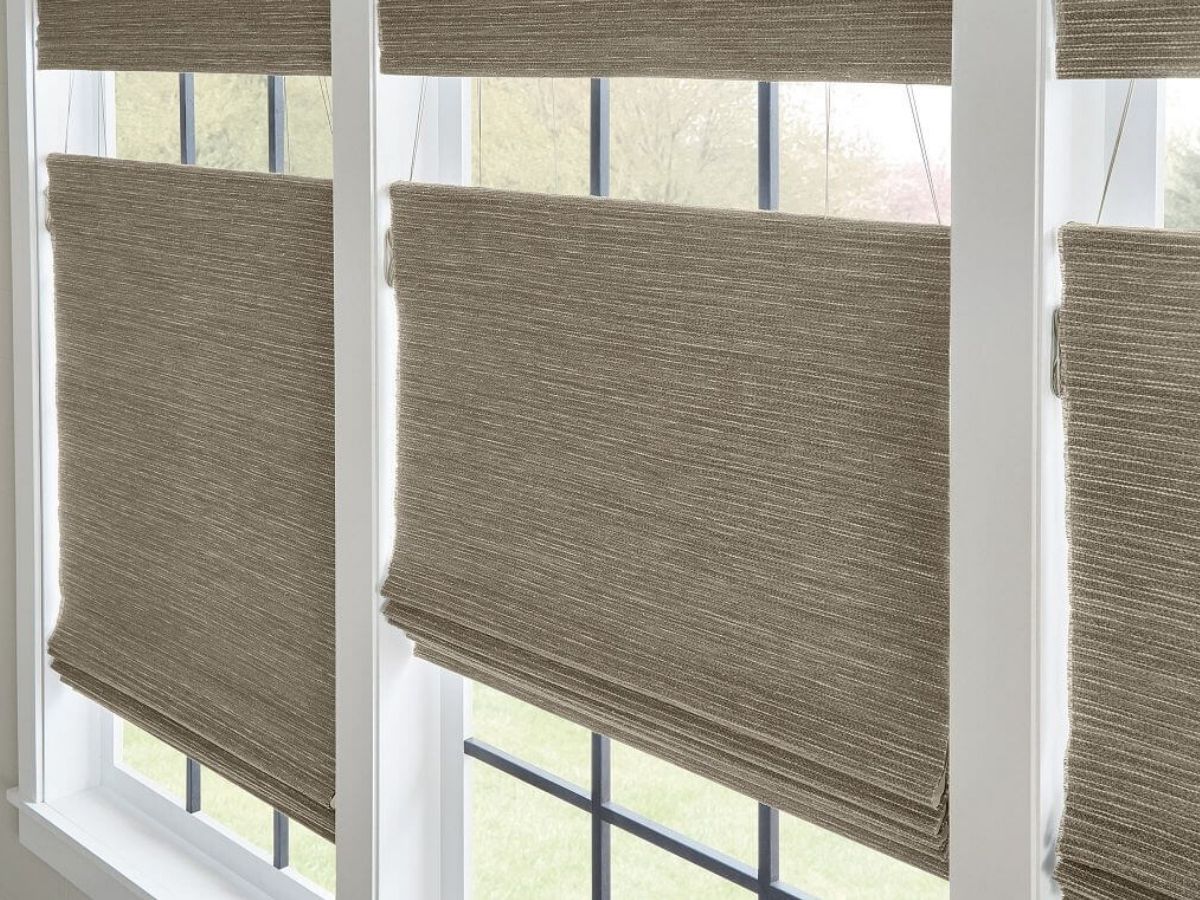
- Bamboo and woven wood shades
- Jute and linen fabrics
- Textured finishes with earthy appeal
These materials pair well with tones like sage, terracotta, and warm neutrals, helping create a grounded, relaxing environment. They’re especially effective in living rooms that get strong sunlight and benefit from softened, diffused light.
Layered Shades for Versatility
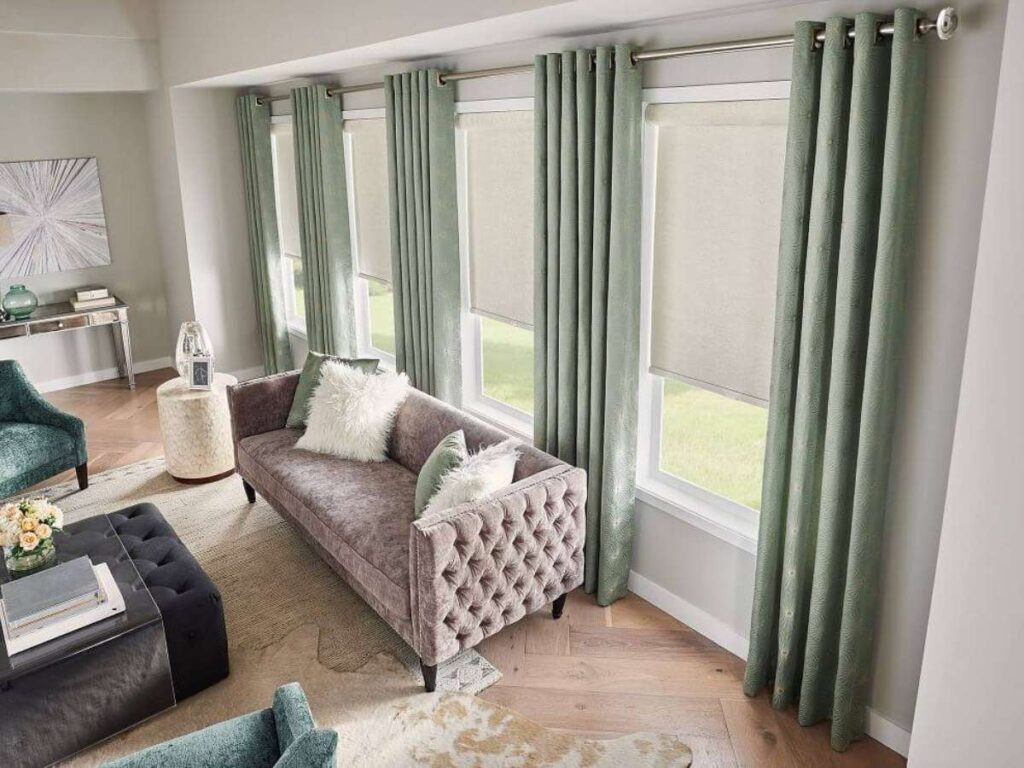
A single shade often isn’t enough for modern needs. Layering combines function and style, giving you more control over your space.
Common Layering Combinations:
- Sheer shades + blackout liners
- Roller shades + drapery panels
- Cellular (honeycombs) + side panels
Layered solutions allow you to:
- Adjust brightness throughout the day
- Maintain privacy without sacrificing natural light
- Add depth and texture to your design
This is ideal for homeowners who feel their living room is either too bright during the day or lacks privacy at night.
Energy Efficiency with Cellular and Thermal Shades
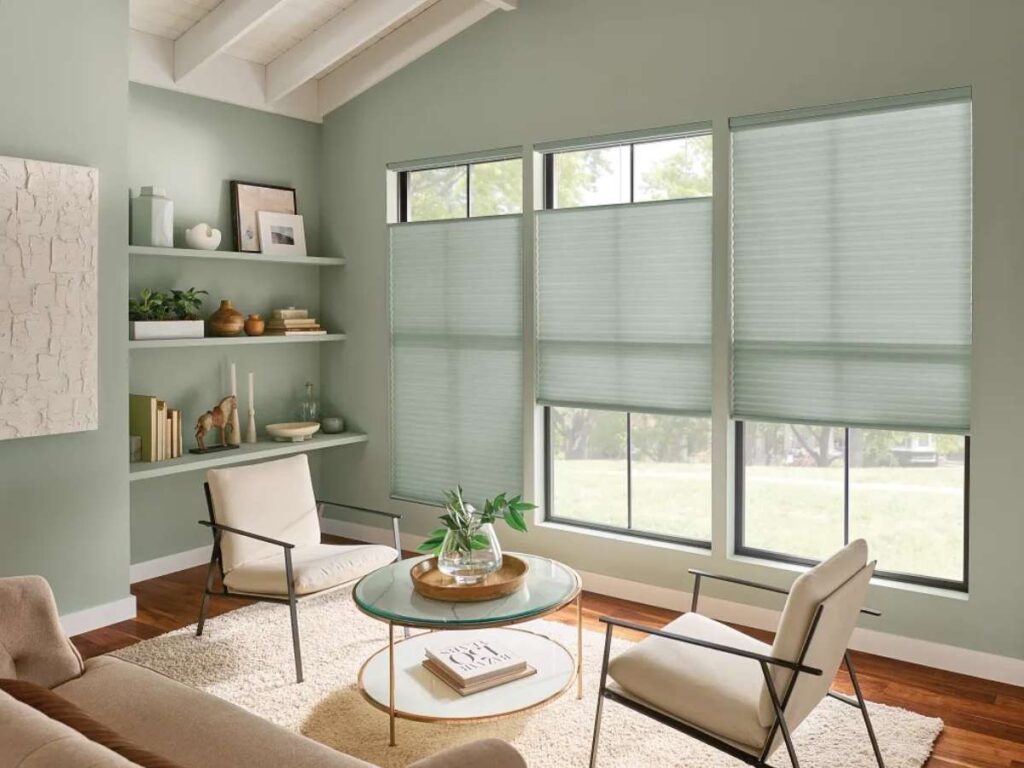
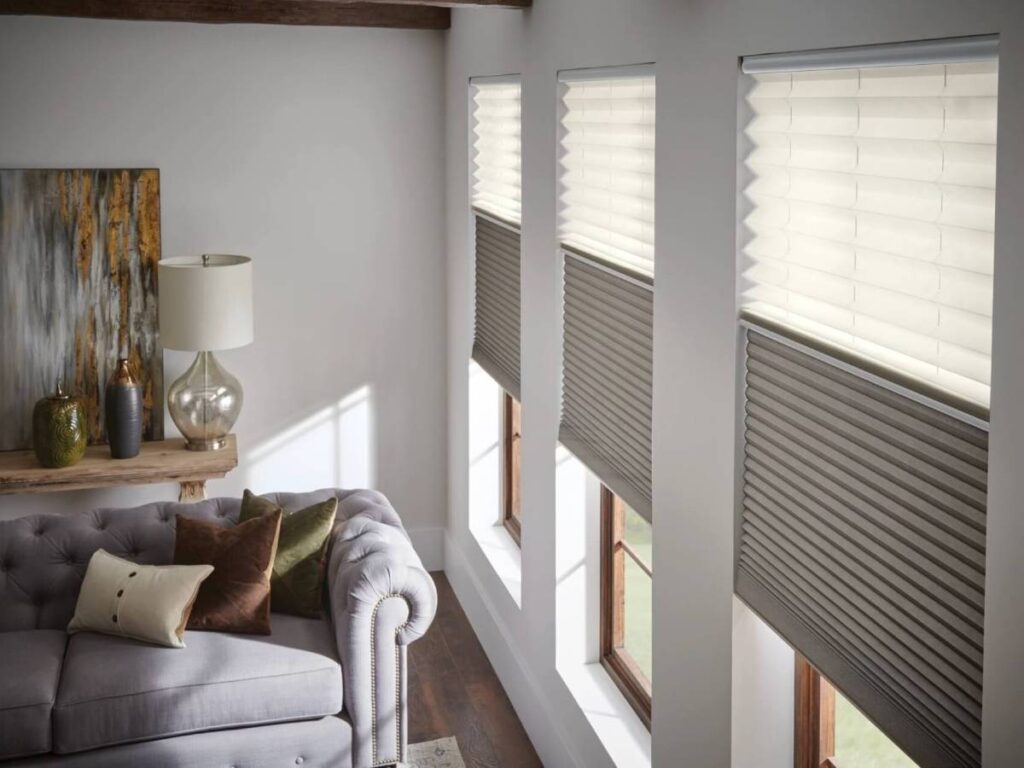
Comfort plays a major role in living room design. Cellular shades, also known as honeycombs, are built for thermal insulation.
Benefits of Cellular Shades:
- Trap air to reduce heat transfer
- Improve indoor comfort year-round
- Lower energy costs
- Available in blackout and light-filtering options
For homes with large windows, this can make a noticeable difference in temperature consistency and overall efficiency.
Texture and Fabric Trends: From Linen to Velvet
Modern living rooms are embracing texture as a design element. Instead of flat finishes, homeowners are choosing textured fabrics that add subtle dimension.
Trending Fabric Styles:
- Linen for a soft, airy feel
- Velvet for a more luxurious touch
- Woven and natural fibers for casual warmth
These materials help balance sleek architectural lines with comfort, making the space feel inviting rather than sterile.
Quick Comparison of Popular Shade Types
Shade Type | Best For | Key Benefit |
Roller Shades | Minimalist spaces | Clean, modern look |
Cellular Shades | Energy efficiency | Thermal insulation |
Woven Wood Shades | Natural, organic interiors | Texture and warmth |
Sheer Shades | Soft light filtering | Balanced brightness |
Blackout Shades | Privacy and glare control | Complete light blocking |
Frequently Asked Questions
1. What are the best window shades for living room comfort?
2. Are motorized shades worth it for living rooms?
3. Which materials are trending for modern window shades?
4. How do I balance light and privacy in my living room?
5. Do window shades really improve energy efficiency?
Conclusion
Modern window shades are no longer just functional—they shape how your living room feels and performs every day. From minimalist roller shades to motorized and layered systems, today’s options are designed to adapt to your lifestyle while enhancing your home’s overall aesthetic. Schedule a consultation with Made In The Shade Rockville today!