Many homeowners use the terms “motorized” and “automated” interchangeably, but they are not exactly the same. Understanding the differences between motorized and automated shades can help you choose the right solution for your lifestyle, budget, and smart home goals. This guide explains the key differences, available power options, and which system may be the better fit for your home.
Understanding Motorized vs. Automated Shades
When comparing motorized vs. automated shades, the biggest difference is how the window coverings are operated.
- Motorized shades use an electric motor instead of manual cords.
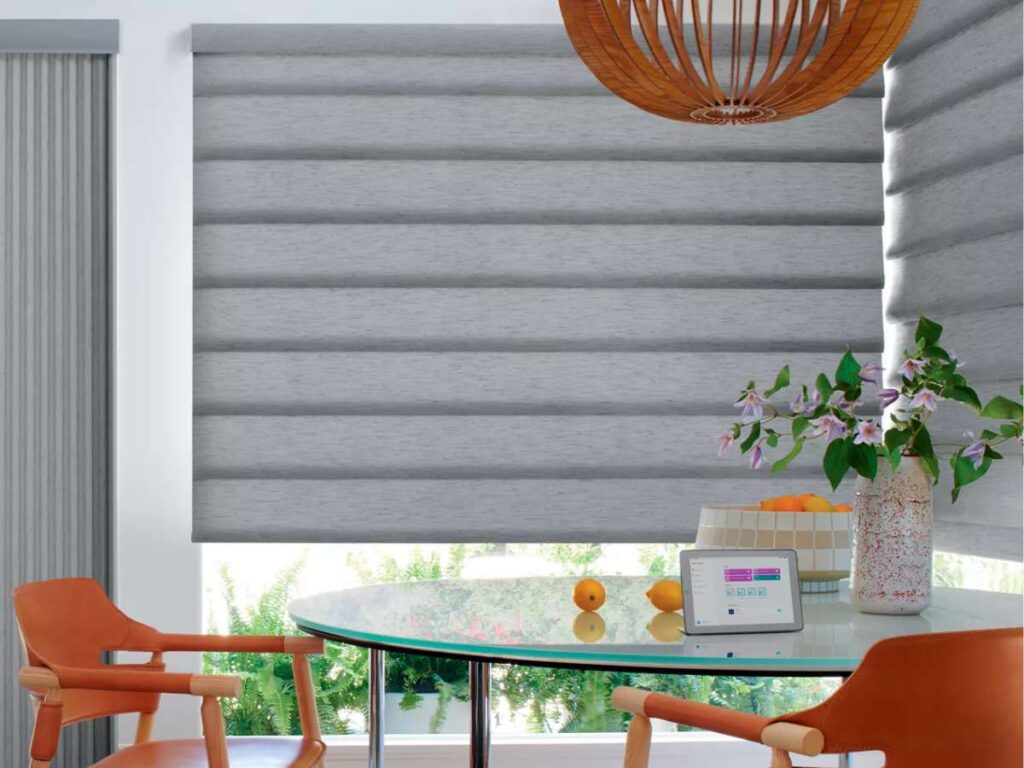
- Automated shades are motorized shades that are also connected to smart automation systems, allowing scheduled or hands-free operation.
In other words, every automated shade is motorized, but not every motorized shade is automated. This distinction becomes important when deciding how much control, convenience, and integration you want from your window treatments.
Motorized Shades Explained
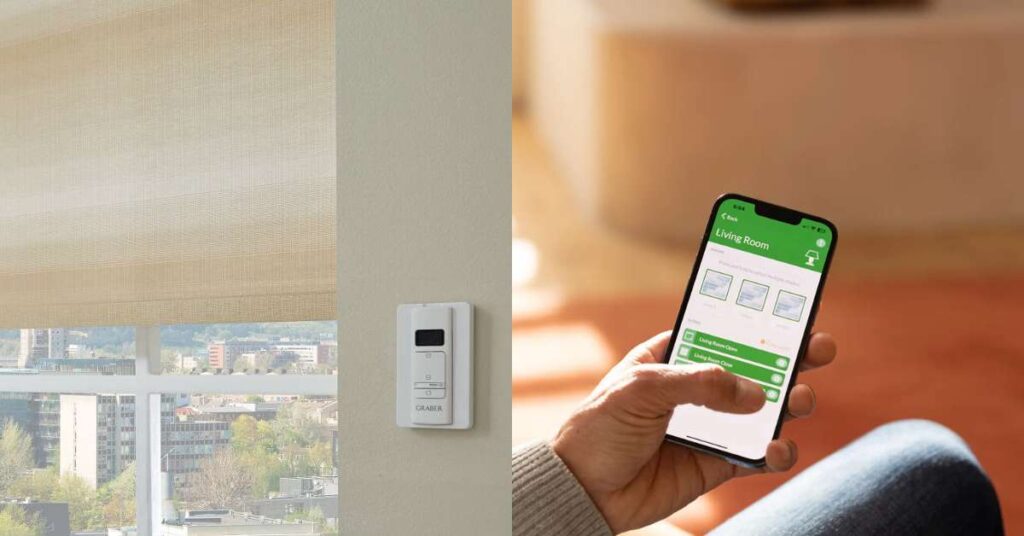
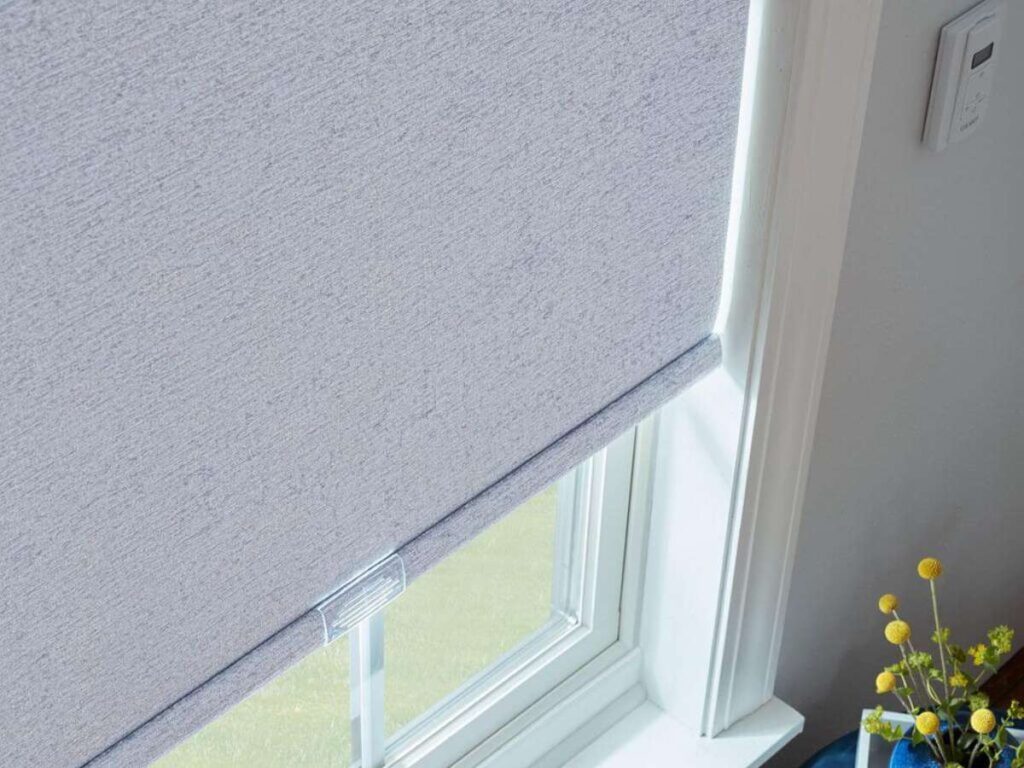
Motorized shades replace traditional manual lifting with an electric motor. Instead of pulling cords, you operate the shades with a remote, a wall switch, or a simple button.
Common power options include:
- Battery-powered systems
- Hardwired installations for new construction or major renovations
Motorized systems work with many products, including:
- Roller shades
- Cellular shades
- Roman shades
- Sheer shades
- Interior drapes
- Large rollers for expansive windows
Benefits of Motorized Shades
- Easy operation for large or hard-to-reach windows
- Cordless design for improved safety
- Smooth, quiet movement
- Cleaner appearance with fewer visible controls
What Makes Automated Shades Different?
Automated shades include all the benefits of motorized operation while adding smart automation features.
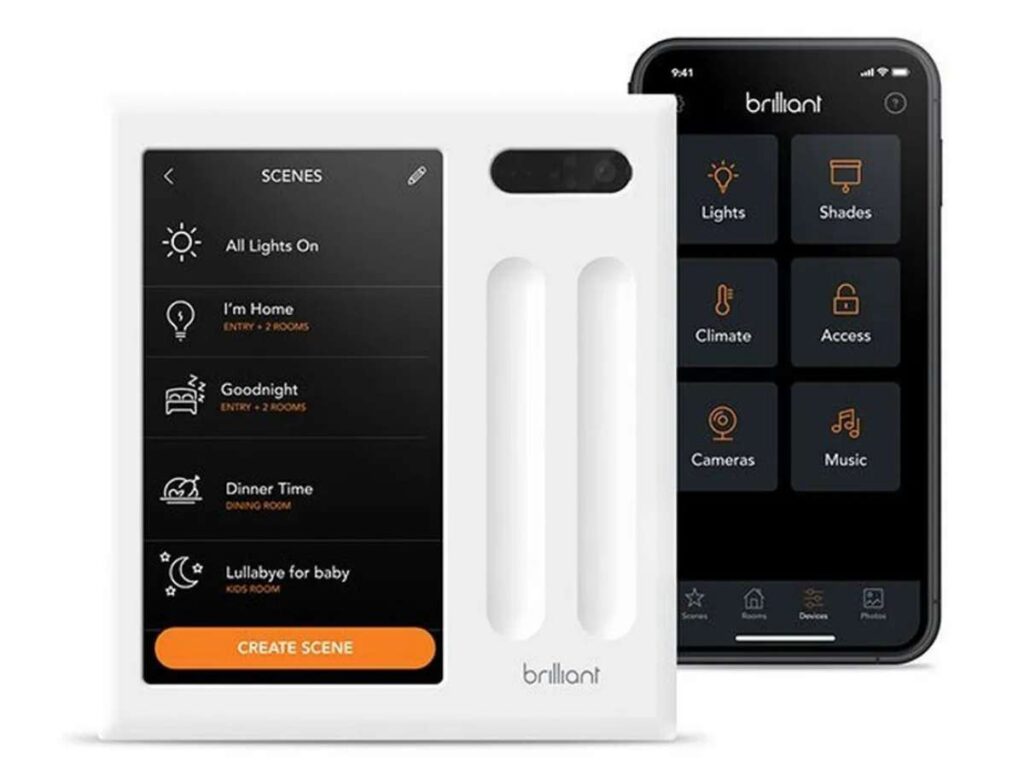
Instead of only using a remote, automated systems allow you to operate shades through:
- A smartphone app
- Voice assistants (eg, Alexa, Google Assistant, Siri/HomeKit)
- Smart home hubs
- Timers and schedules
- Scene settings that coordinate multiple window treatments
For example, your shades can automatically lower during the afternoon to reduce glare or open each morning without anyone touching a remote. This level of automation makes daily routines more convenient while helping improve comfort and energy efficiency.
Motorized vs Automated: Feature Comparison
Feature | Motorized Shades | Automated Shades |
Electric operation | ✔ | ✔ |
Remote control | ✔ | ✔ |
Smartphone app | Optional | ✔ |
Voice control | Optional | ✔ |
Scheduled operation | Limited | ✔ |
Smart home integration | Limited | ✔ |
Automation scenes | No | ✔ |
Which Option Is Right for Your Home?
There is no one-size-fits-all answer. The best solution depends on your home’s needs and your daily routine.
Choose Motorized Shades If:
- You want a simple, powered operation.
- A remote provides all the control you need.
- You’re replacing existing manual shades.
- You prefer a lower upfront investment.
Choose Automated Shades If:
- You already use smart home systems.
- You want voice commands or smartphone access.
- You enjoy scheduling routines.
- You want multiple window treatments to work together automatically.
Other Factors to Consider
Before selecting custom window treatments, think beyond convenience.
Installation
Retrofit projects often benefit from rechargeable battery motors, while new construction may be ideal for hardwired systems.
Smart Compatibility
Not every product supports every platform. Verify compatibility with your preferred smart home ecosystem before purchasing.
Custom Design
Both motorized and automated products are available in a wide range of fabrics, colors, and styles to complement your interior décor without sacrificing performance.
Frequently Asked Questions (FAQs)
1. Can motorized shades become automated later?
In some cases, yes. Certain systems can be upgraded with smart hubs or controllers, though compatibility depends on the manufacturer.
2. Are automated shades difficult to operate?
No. Most systems are designed with user-friendly apps and a simple setup, making everyday operation straightforward.
3. Do battery-powered shades need frequent charging?
Most rechargeable battery systems last several months between charges, depending on shade size and daily use.
4. Do automated shades work during a power outage?
Battery-powered systems continue to operate, while hardwired motors with no battery or backup will be inoperable during a mains outage; some hardwired systems include battery backup or UPS options.
5. Can automated shades be used with drapes?
Yes. Many smart systems can coordinate shades and drapes to operate together for improved light control and privacy.
Choosing the Right Smart Window Treatment
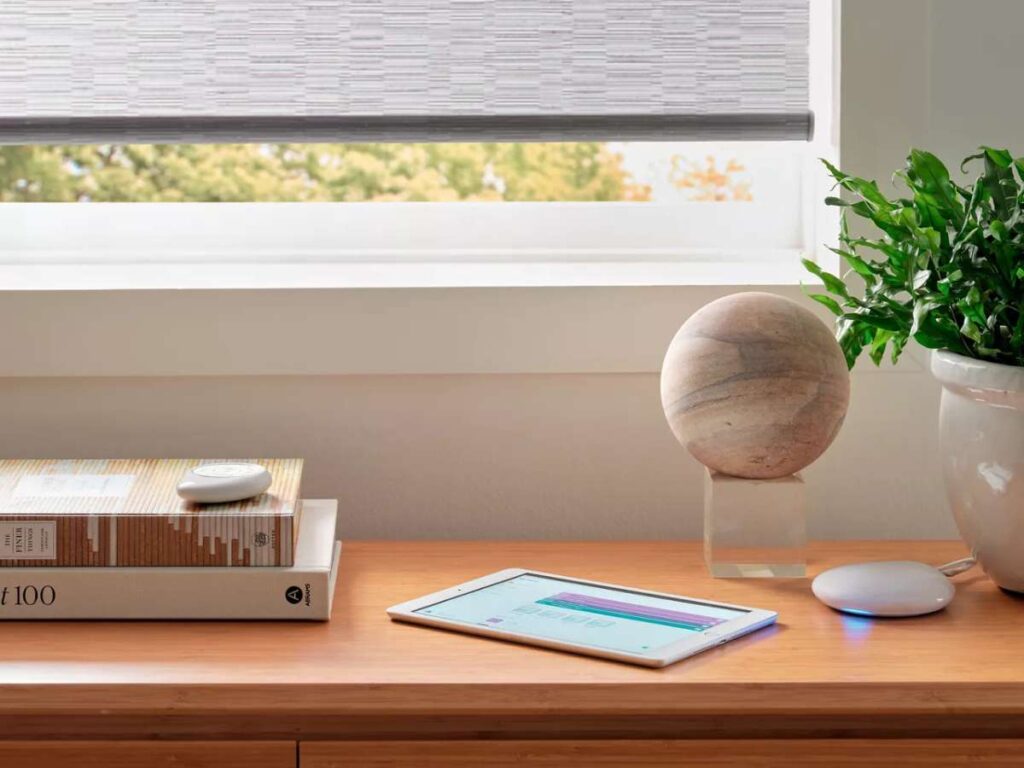
Understanding the motorized vs. automated shades comparison helps you invest in a solution that matches your home’s technology, lifestyle, and comfort goals. While both options eliminate manual operation, automated systems provide additional convenience through scheduling, smart home integration, and hands-free control. The right choice depends on how you want your window treatments to function today and how you may want them to evolve in the future.
At MITS Rockville, we help homeowners compare custom motorized and automated window treatment options based on their specific needs, preferences, and home layout. Schedule a consultation to explore custom shades, smart automation options, and professional installation tailored to your home.