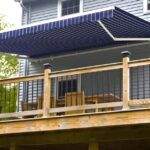
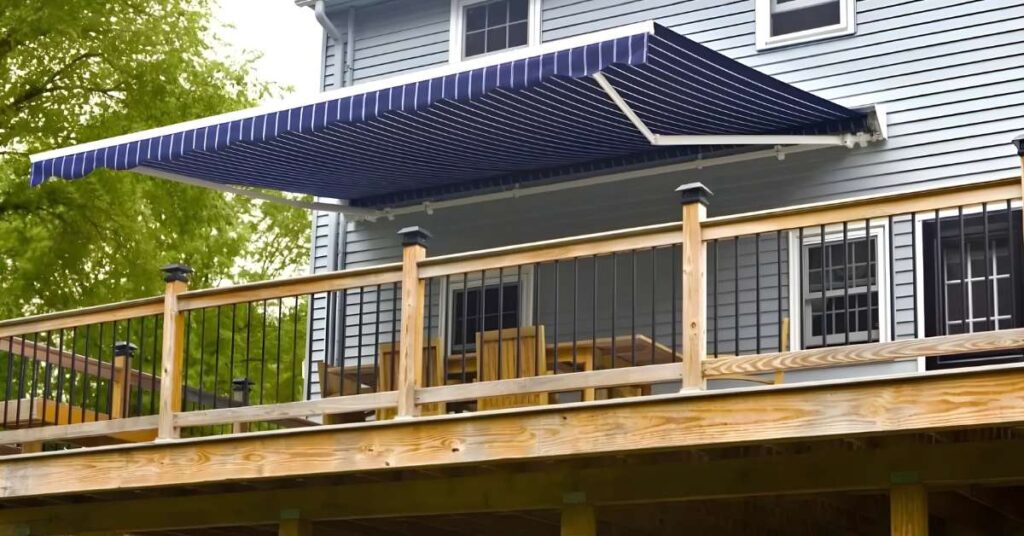
When it comes to enhancing your outdoor space in Rockville or the surrounding area, few things offer as much value and versatility as awnings. Whether you’re looking to create a shaded retreat on your patio or add protection to your deck, the decision between retractable and manual awnings can significantly impact your outdoor experience. Both options have their advantages, but choosing the right one for your needs requires a closer look at their differences.
In this blog, we will delve into the key differences between retractable and manual awnings, helping you make an informed decision that suits your space, budget, and lifestyle. Let’s explore five essential factors that can help guide your choice: convenience, cost, durability, weather protection, and maintenance. By the end of this article, you’ll have a clearer understanding of which option is right for you and your outdoor needs.
1. Convenience: Motorized vs. Manual Crank
When it comes to convenience, retractable awnings take the lead. The biggest benefit of retractable awnings is the motorized system that allows you to open and close the shade at the push of a button. With automated features like remote control operation, integration with home automation systems, and even weather sensors that can adjust the awning based on temperature or wind conditions, retractable awnings offer unparalleled ease of use.
On the other hand, manual awnings require more physical effort to adjust. Typically, manual systems use a crank to extend or retract the awning. While this method is less convenient than motorized systems, it can still be a practical solution for those who don’t mind the extra effort or have a smaller outdoor space where frequent adjustments aren’t necessary.
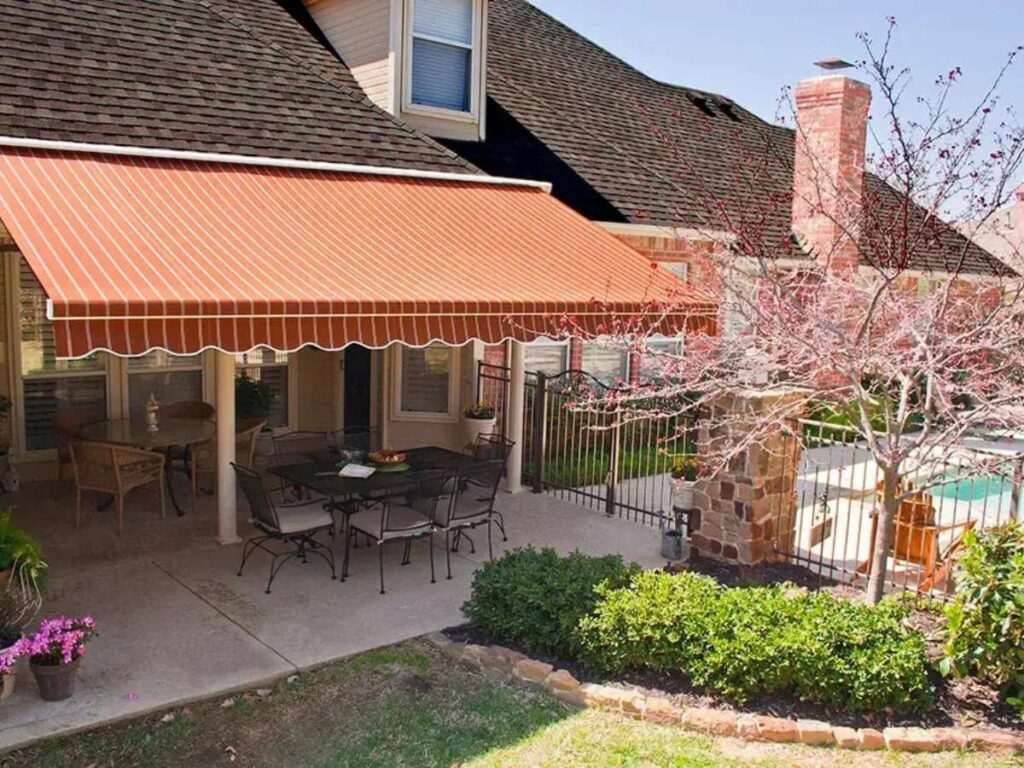
Key takeaway: If you value convenience and automation, a retractable awning with motorized operation is the way to go. But if you don’t mind a little physical effort, manual awnings can be a cost-effective alternative.
2. Cost: Upfront Investment and Long-Term Savings
One of the most noticeable differences between retractable and manual awnings is the price. Retractable awnings, particularly motorized models, come with a higher initial cost. The motor, sensors, and automation features add to the overall expense, making them a larger upfront investment. However, the convenience and longevity offered by retractable systems can make them more cost-effective in the long run, especially when factoring in factors like energy savings from sun control and less wear and tear on manual components.
Manual awnings, by comparison, are more budget-friendly. Since there are no motors, sensors, or complex hardware involved, the initial investment is much lower. While they may not offer the same level of convenience or automation, manual awnings still provide excellent shade and protection at a fraction of the price.
Key takeaway: If you’re working within a tight budget, a manual awning might be a more economical choice. However, if you’re looking for long-term convenience and are willing to invest upfront, a retractable awning may be worth the extra cost.
3. Durability: Strength to Withstand the Elements
Both retractable and manual awnings are designed to withstand the elements, but there are notable differences in their durability.
Retractable awnings are built with heavy-duty frames and high-quality fabrics to handle sun, rain, and wind. However, because they are retractable, they can be retracted when not in use, which can help extend their lifespan. Some motorized systems are even equipped with wind sensors that automatically retract the awning in high winds, protecting the fabric and frame from damage.
Manual awnings are similarly constructed but may not have the same level of protective features. Without the ability to retract automatically or be operated remotely, manual awnings may be exposed to more environmental wear and tear. However, a well-maintained manual awning can last for many years.
Key takeaway: Retractable awnings provide enhanced protection from the elements and often come with additional features like wind sensors. However, manual awnings, if maintained properly, can also offer long-lasting durability at a lower cost.
4. Weather Protection: UV and Rain Defense
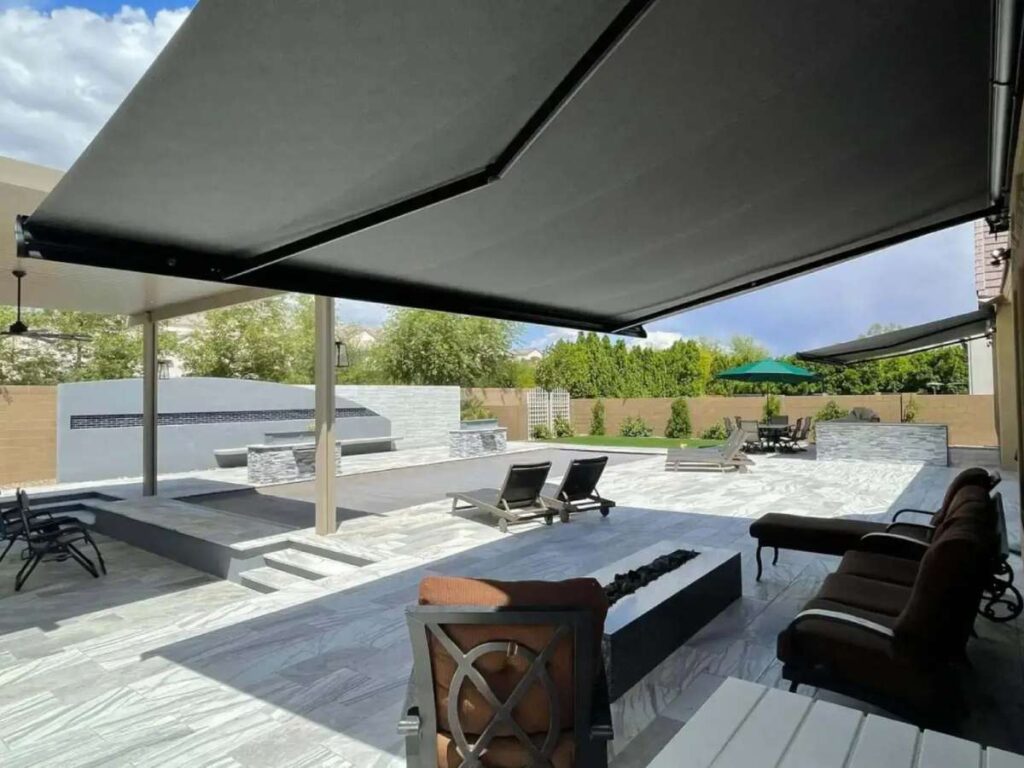
Weather protection is one of the primary reasons to install an awning in the first place. Both retractable and manual awnings can provide excellent protection against the sun, reducing heat inside your home and protecting furniture from harmful UV rays. Retractable awnings, however, offer more flexibility in terms of weather defense. They can be easily retracted when not needed, keeping the fabric out of the sun and preventing fading or damage. Some models come with UV-blocking fabric, which adds an extra layer of protection.
Manual awnings, while still effective, are fixed in place and cannot be retracted unless manually adjusted. This can leave them exposed to the elements for longer periods, which may result in faster wear from prolonged exposure to the sun, rain, or snow.
Key takeaway: If you’re looking for versatility and optimal weather protection, a retractable awning offers superior options, including retraction during inclement weather. Manual awnings provide solid sun protection, but they lack the same level of flexibility.
5. Maintenance: Ease of Care and Upkeep
Maintenance is a crucial consideration when choosing between retractable and manual awnings. Retractable awnings require some upkeep, particularly when it comes to the motorized components. It’s essential to regularly check the motor, sensors, and automation system for proper function. Additionally, retractable awnings require occasional cleaning of the fabric and frames to ensure that they continue to operate smoothly.
Manual awnings, by contrast, are simpler in terms of maintenance. With fewer moving parts, there’s less that can go wrong. However, the crank mechanism should be checked periodically to ensure smooth operation. Cleaning the fabric and ensuring that the frame is free from dirt and debris is still necessary, but typically requires less attention than motorized systems.
Key takeaway: Retractable awnings require more maintenance due to the added complexity of motors and sensors, while manual awnings have fewer components to maintain, making them easier to care for.
Frequently Asked Questions about Awnings
Can I install a retractable awning myself?
While it is possible to install a retractable awning yourself, it is highly recommended to hire a professional. The installation process requires accurate measurements, proper mounting, and the safe connection of motorized components. A professional installer ensures that the awning functions correctly and lasts longer.
Are retractable awnings suitable for all weather conditions?
Retractable awnings are designed to handle various weather conditions, but their longevity depends on proper usage. Motorized models can automatically retract in high winds, preventing damage. However, extreme weather conditions such as heavy snow may require you to manually retract the awning to protect it.
What fabric options are available for awnings?
Awnings come in a wide range of fabric options, including acrylic, polyester, and canvas. Retractable awnings often feature UV-resistant fabric that helps block harmful rays, while manual awnings can also be equipped with durable, weather-resistant fabrics. The best fabric for you will depend on your needs, such as sun protection, durability, and color preference.
Shade Outdoors YOUR Way
Choosing between retractable and manual awnings ultimately comes down to your specific needs, budget, and the level of convenience you desire. While retractable awnings offer superior convenience, durability, and weather protection, manual awnings remain a cost-effective, low-maintenance option. Regardless of your choice, both options provide effective shade and enhance the functionality of your outdoor spaces.
If you’re ready to explore which awning solution is right for you, don’t hesitate to contact Made in the Shade Rockville today. Our expert team is here to help you select the perfect awning for your patio, deck, or porch! Request a free consultation today!