When selecting the right window treatments for your home, the choice between blinds and shades is a common dilemma. Both options offer unique benefits and functionality, making them ideal for different needs. Whether you prioritize privacy, light control, aesthetics, or energy efficiency, understanding the key differences between blinds and shades can help you make an informed decision. Here’s a comprehensive guide to help you choose the right window coverings for your space.
Blinds vs. Shades: What's the Difference?
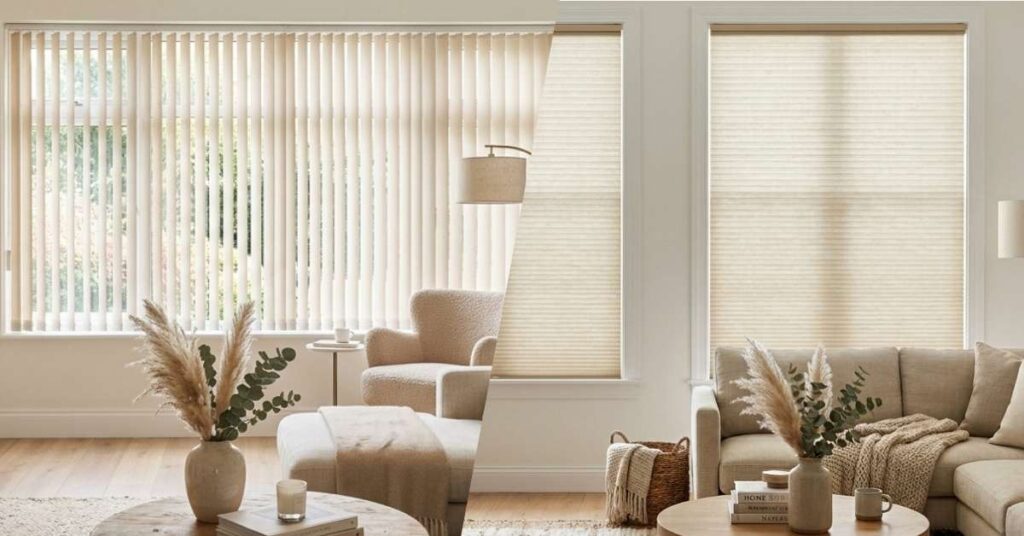
The primary difference between blinds and shades lies in their construction and functionality.
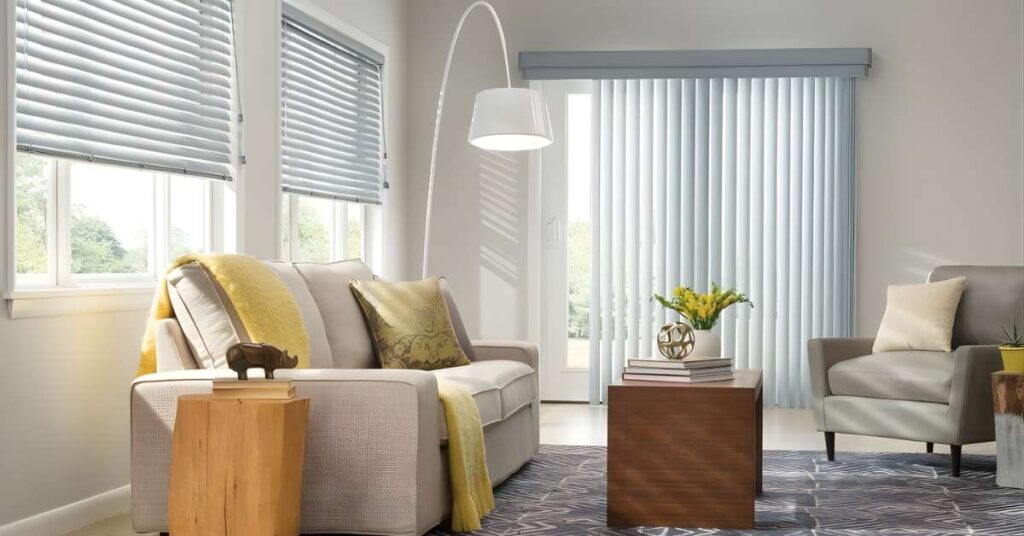
- Blinds are typically made with individual slats that can be tilted to adjust light and privacy. These slats are usually made of wood, vinyl, aluminum, or composite materials, providing durability and style.
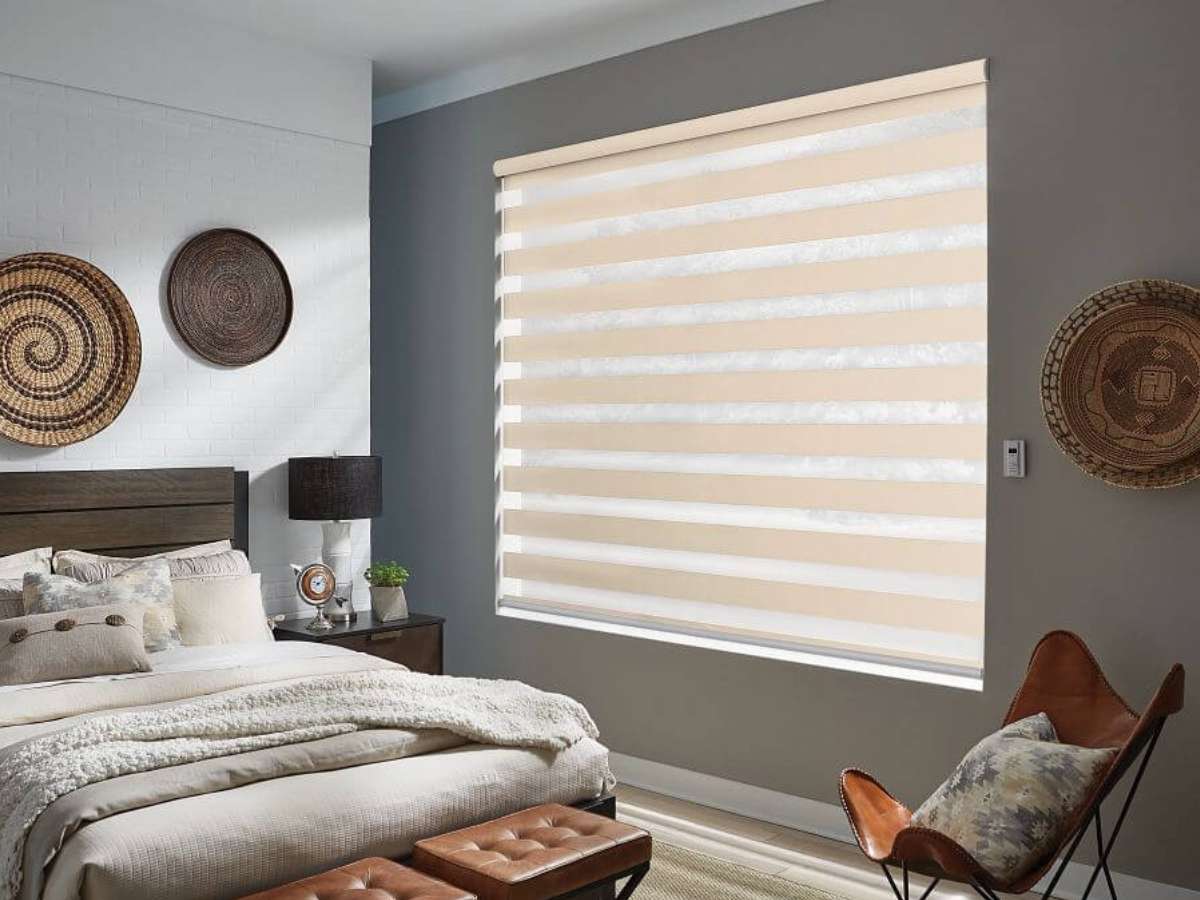
- Shades, on the other hand, are made from a single piece of fabric or material and are raised or lowered to control light and privacy. They come in various styles, including roller, Roman, cellular, and honeycomb, offering versatile design options for any room.
Understanding these differences can help you decide which option best suits your needs.
Benefits of Blinds
Blinds are a great choice for those looking for precise control over light and privacy. Here are some benefits of blinds:
- Adjustable Light Control: Blinds, especially those with slats, allow you to adjust the amount of light entering a room by tilting the slats.
- Variety of Materials: Blinds are available in wood, aluminum, and composite materials, so you can choose the best option for your needs and budget.
- Durability: Blinds are typically more durable than shades, as the slats are less prone to wear and tear.
- Motorized Options: Many blinds, particularly vertical blinds and wood blinds, offer motorization for convenient control.
If your home features large windows, the right blinds can make all the difference. Learn more here.
Benefits of Shades
Shades provide a smooth, sleek look and are ideal for those seeking a more uniform and minimalist window treatment. Here are some key benefits:
- Soft Aesthetic: Shades create a soft, streamlined look that is perfect for modern and traditional decor alike.
- Variety of Fabrics: Shades are available in various fabrics, including blackout, roller, Roman, and cellular. This range of fabrics makes shades ideal for light filtering, privacy, and insulation.
- Energy Efficiency: Cellular and honeycomb shades are excellent insulators, helping reduce energy costs by keeping heat in during winter and out during summer.
- Cordless Options: Many shades now come in cordless models for improved safety, especially in homes with children or pets.
Not sure which shade is right for your space? Learn more here.
Which is Right for You? Blinds vs. Shades
The decision between blinds vs. shades ultimately depends on your specific needs. Below is a breakdown to help you decide:
Feature | Blinds | Shades |
Light Control | Excellent with adjustable slats | Good, but less precise than blinds |
Privacy | Adjustable for privacy | Varies by opacity and style |
Energy Efficiency | Limited to certain materials | High, especially with cellular and honeycomb |
Aesthetic | More structured, modern | Soft, elegant, and versatile |
Ease of Maintenance | Easy to clean | Requires more care, especially fabric-based |
Durability | Highly durable | May wear faster, especially fabric types |
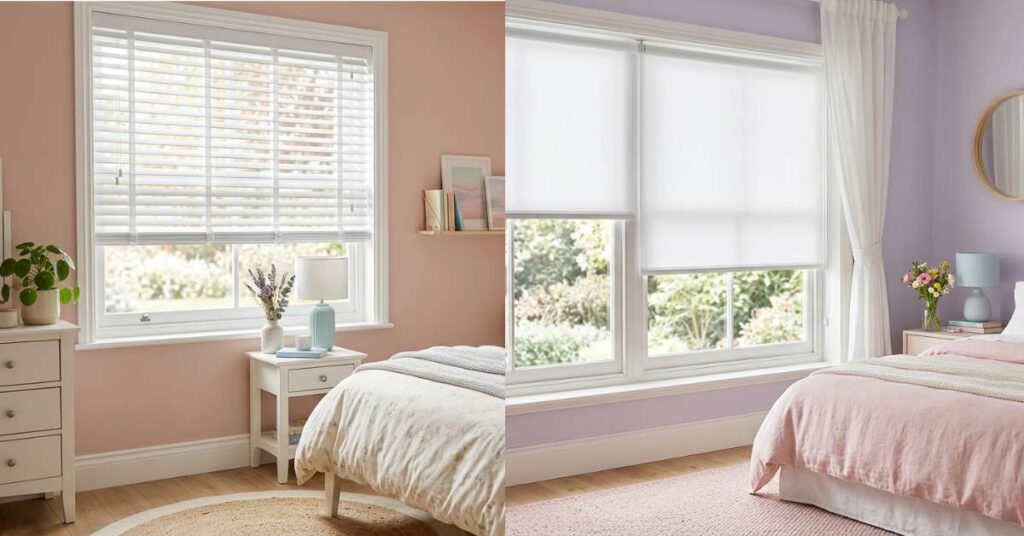
Find answers to Frequently Asked Questions about Blinds and Shades
1. Can I use both blinds and shades together?
2. Are shades or blinds better for insulation?
3. Which option is easier to maintain?
4. Are motorized options available for both blinds and shades?
5. Can I install blinds or shades myself, or should I hire a professional?
The Final Verdict: Blinds or Shades?
Choosing between blinds and shades comes down to what matters most in your space. Blinds are ideal for those seeking precise light control and greater durability, while shades offer a softer, more modern look with added insulation.
The verdict is in. Now it’s time to find the perfect fit. Browse our full selection at MITS Rockville. When you’re ready, feel free to contact us or schedule a consultation.