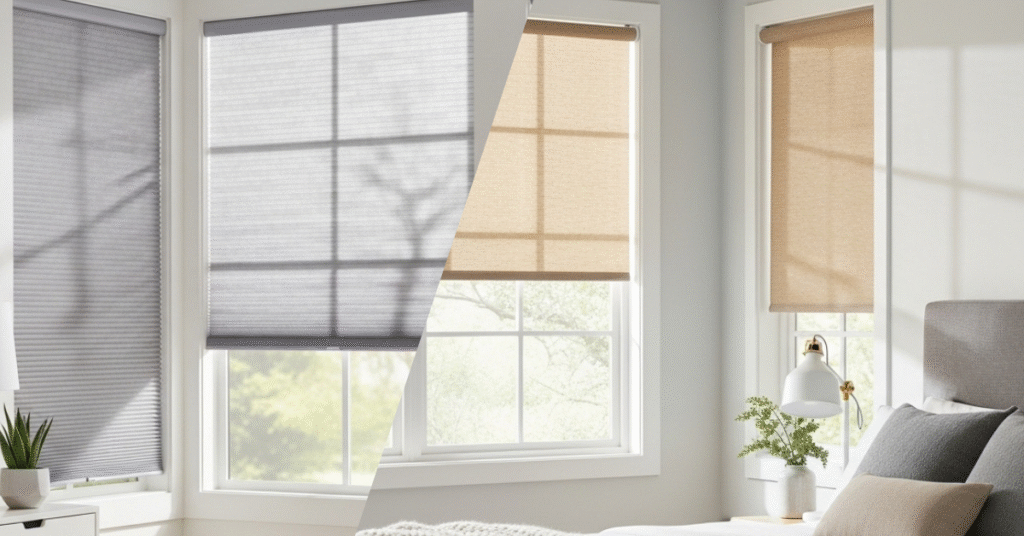
Choosing the right window treatment can make a world of difference in your home’s comfort, style, and efficiency. Cellular shades and roller shades are two of the most popular choices, each offering unique perks—cellular shades excel at insulation and energy savings, while roller shades shine for their easy upkeep and versatility. Whether you’re drawn to a cozy, energy-efficient feel or a sleek, modern look, understanding the key differences will help you make a confident decision. Curious which shade will elevate your living area? We’ve spotlighted five standout differences to guide you toward the perfect fit.
1. Energy Efficiency and Insulation: Cellular Shades Offer Better Thermal Performance
One of the main advantages of cellular shades is their ability to provide excellent insulation. The honeycomb structure traps air within the cells, helping regulate your home’s temperature by reducing heat loss during winter and blocking out the heat in summer.
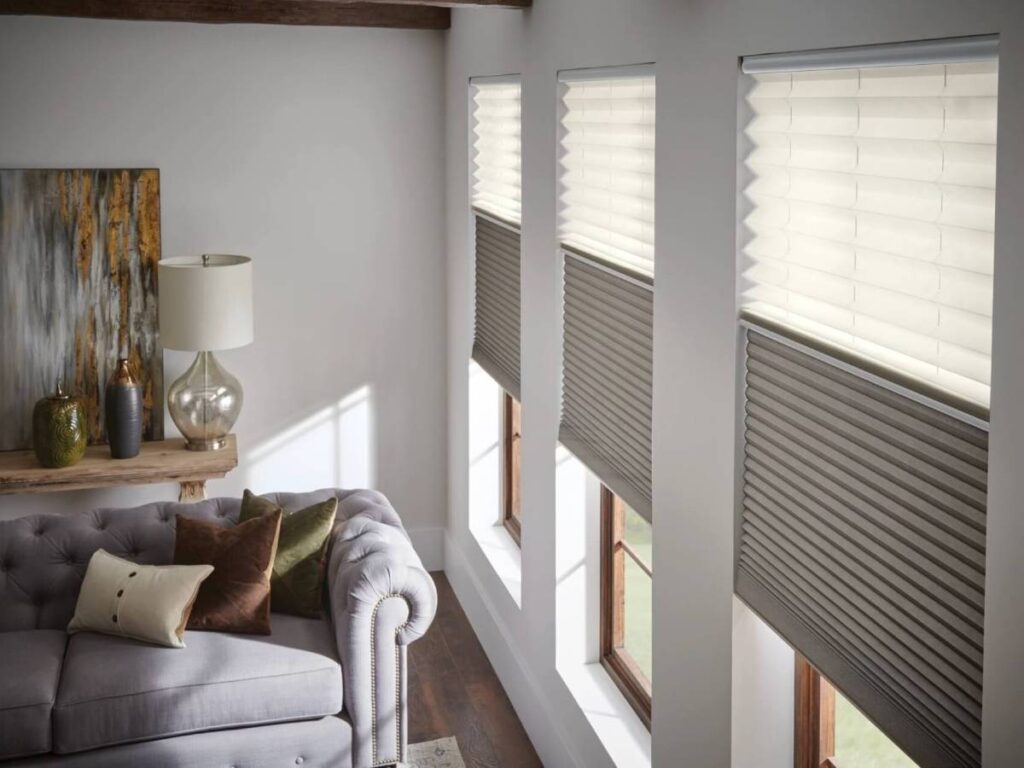
- Cellular Shades: The honeycomb design acts as a thermal barrier, improving energy efficiency by reducing the need for heating or cooling. Double-cell options with blackout liners are available, but they don’t achieve the same complete light-blocking seal as roller shades.
Roller Shades: While roller shades offer minimal thermal insulation, they are typically less effective at maintaining your home’s temperature than cellular shades. However, they can still help with basic light control and privacy.
2. Light Control and Privacy: Roller Shades Offer More Customization
Roller shades offer greater customization for light control than cellular shades. Available in a wide variety of fabrics, including blackout, solar, and light-filtering options, roller shades allow you to select the exact level of light control you desire.
- Roller Shades: With options such as blackout and light-filtering fabrics, roller shades provide more precise light control, ensuring you can tailor the shades to suit your needs.
- Cellular Shades: While cellular shades offer excellent light filtering, they don’t come with full blackout capabilities due to their honeycomb structure. However, double-cell options with blackout liners can provide a higher level of light-blocking, though they may still not offer as complete a seal as roller shades.
For a deeper look at how these fabrics perform, read our guide on whether roller shades are good for privacy and light control.
3. Durability and Maintenance: Roller Shades Are Easier to Maintain
When it comes to durability, roller shades tend to have the upper hand due to their simple, flat design.
- Cellular Shades: Cellular shades may require more care, especially when cleaning, as the delicate fabric and honeycomb structure can trap dust and dirt.
- Roller Shades: The smooth surface of roller shades makes them easy to clean and maintain. With fewer crevices and folds, roller shades require less upkeep and are more durable over time.
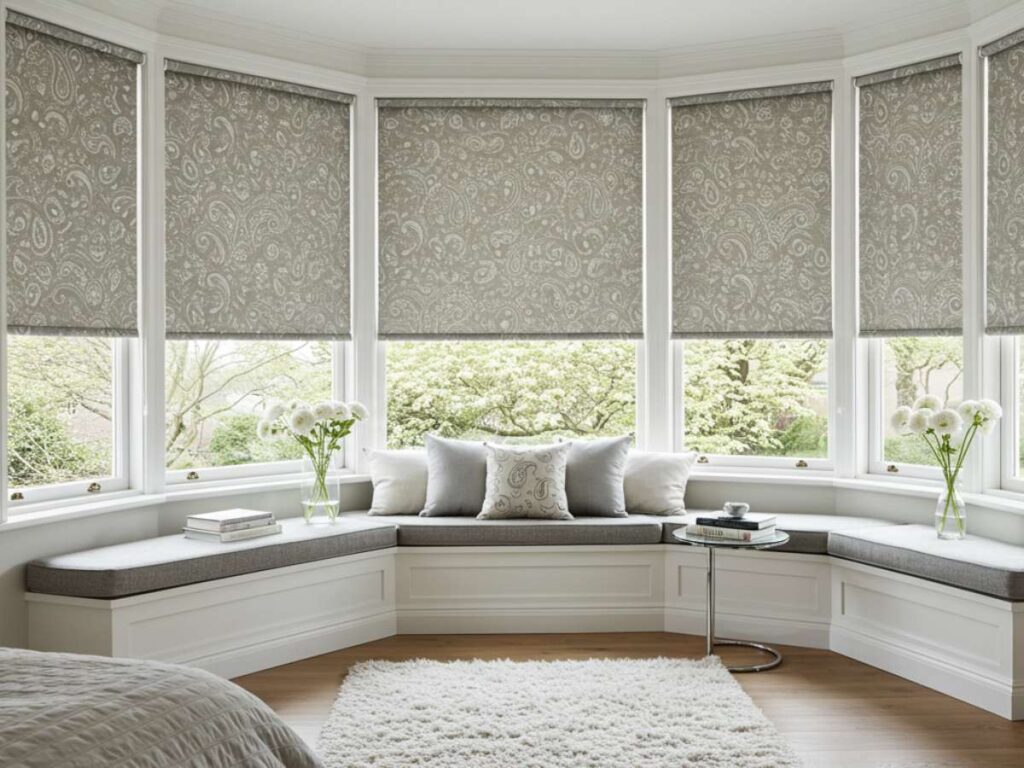
4. Design and Style: Cellular Shades Add Texture, Roller Shades Keep It Simple
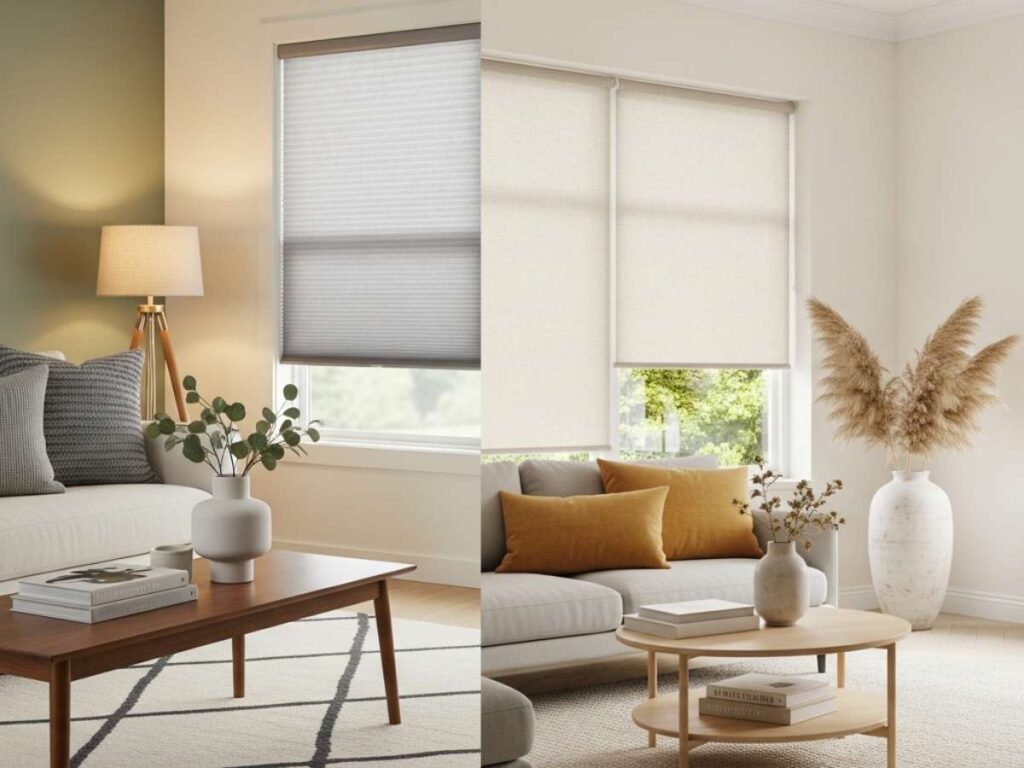
Roller shades are known for their sleek, minimalist design, making them ideal for modern and contemporary spaces. They offer a clean, uniform look that complements a variety of interior styles.
- Roller Shades: Their streamlined, simple design is ideal for homeowners seeking a low-maintenance, functional solution. They come in various fabrics and colors to suit different decors.
- Cellular Shades: These shades add more texture to a room with their pleated structure. The honeycomb design provides a softer, more traditional look, making it ideal for those seeking a warmer, more textured appearance in their home.
5. Cost Considerations: Roller Shades Are More Budget-Friendly
When it comes to cost, roller shades are generally more affordable compared to cellular shades.
- Cellular Shades: The specialized construction and insulation properties of cellular shades make them more expensive than roller shades, especially for custom sizes and motorized versions.
- Roller Shades: Roller shades are typically more budget-friendly, especially if you’re opting for simpler fabrics or materials.
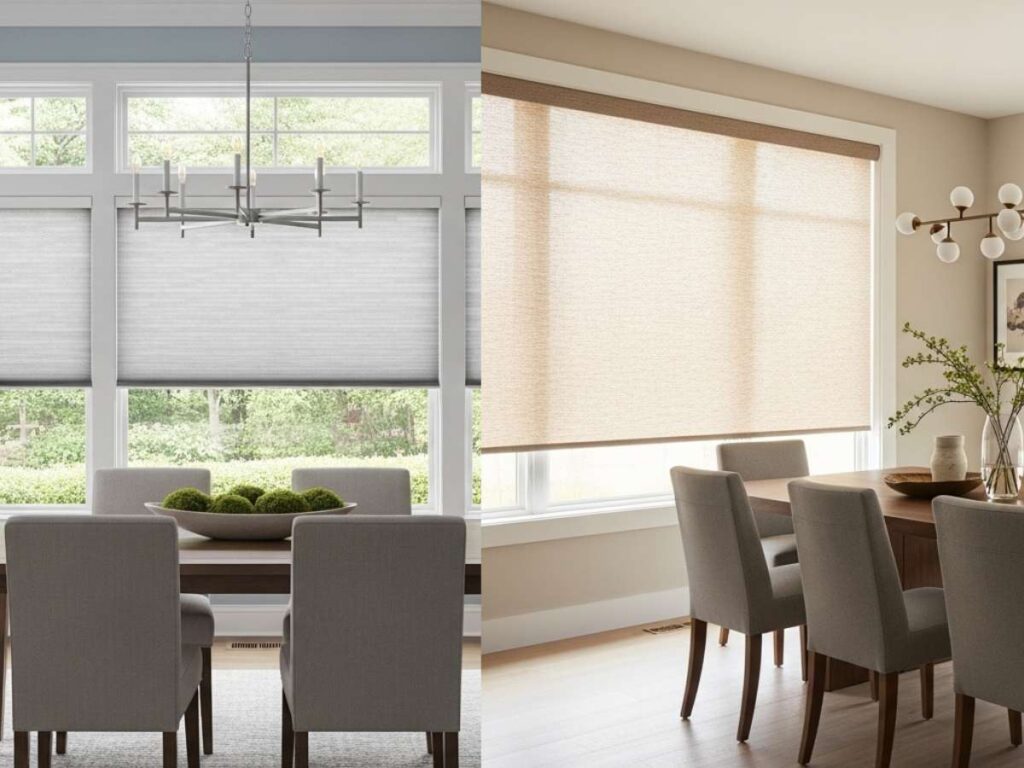
Key Differences at a Glance
Feature | Cellular Shades | Roller Shades |
Energy Efficiency | Great insulation with honeycomb structure | Minimal insulation, not thermal |
Light Control | Good filtering, limited blackout options | Wide variety of light-filtering and blackout fabrics |
Durability | Requires more care, delicate fabric | Easy to clean, durable materials |
Design | Textured, soft look, adds dimension | Sleek, minimalist design, clean look |
Cost | Generally more expensive | More affordable, budget-friendly |
Still deciding? Read our blog on roller shades today to better understand your options.
Frequently Asked Questions About Cellular Shades vs. Roller Shades
1. Are cellular shades really better for insulation?
2. Can roller shades be motorized?
3. Do cellular shades come in full blackout options?
4. Are roller shades easy to install?
5. Which type of shade is better for a modern home?
Your Window, Your Way: Wrapping Up the Shade Showdown
Both cellular shades and roller shades have their own advantages, depending on your needs. If you’re looking for insulation and energy efficiency, cellular shades are an excellent option. However, if you prefer a cost-effective, low-maintenance solution with customizable light control and a sleek design, roller shades may be the perfect choice for your home.
Evaluate what matters to your space and lifestyle before making a decision. At MITS Rockville, we’re here to help you find the window treatment that feels just right for your abode—whether it’s the cozy comfort of cellular shades or the sleek simplicity of roller shades. Reach out for an in-home consultation, and let’s transform your home together with shades tailored to your taste and lifestyle.