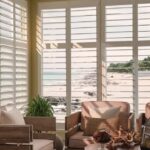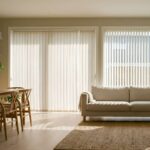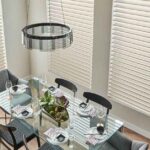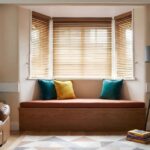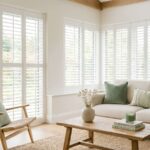
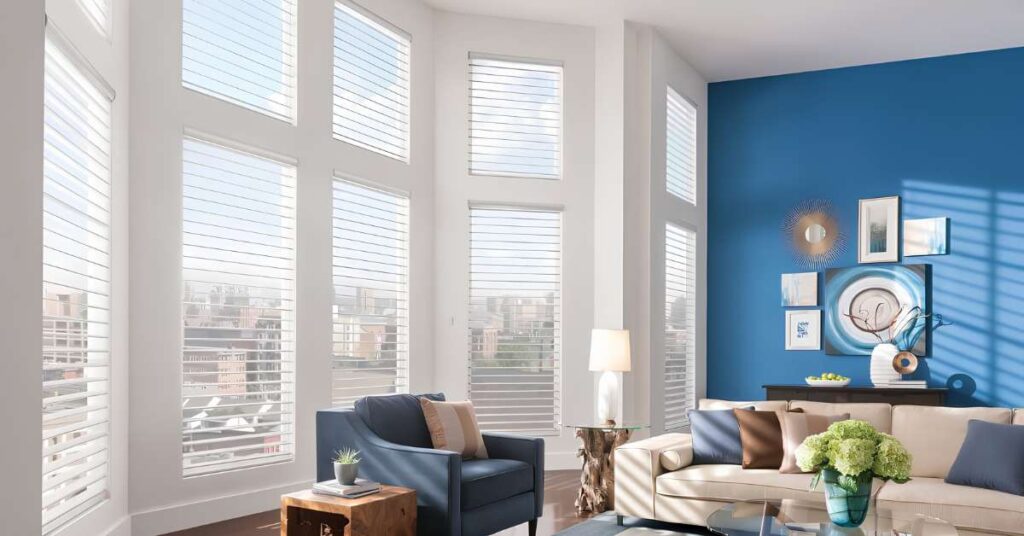
The cost of sheer shades depends on several factors beyond the product itself. Window size, fabric selection, motorization, installation requirements, and customization options all affect the final price. Understanding these factors helps homeowners compare options more accurately and choose sheer shades that fit both their needs and budget.
Understanding What Impacts Sheer Shades Cost
Sheer shades combine the soft appearance of fabric window coverings with the functionality of blinds. Because they are available in numerous configurations, the overall cost can vary significantly from one project to another.
Before comparing quotes, it’s important to understand what influences pricing and where your investment is going.
Window Size and Shape
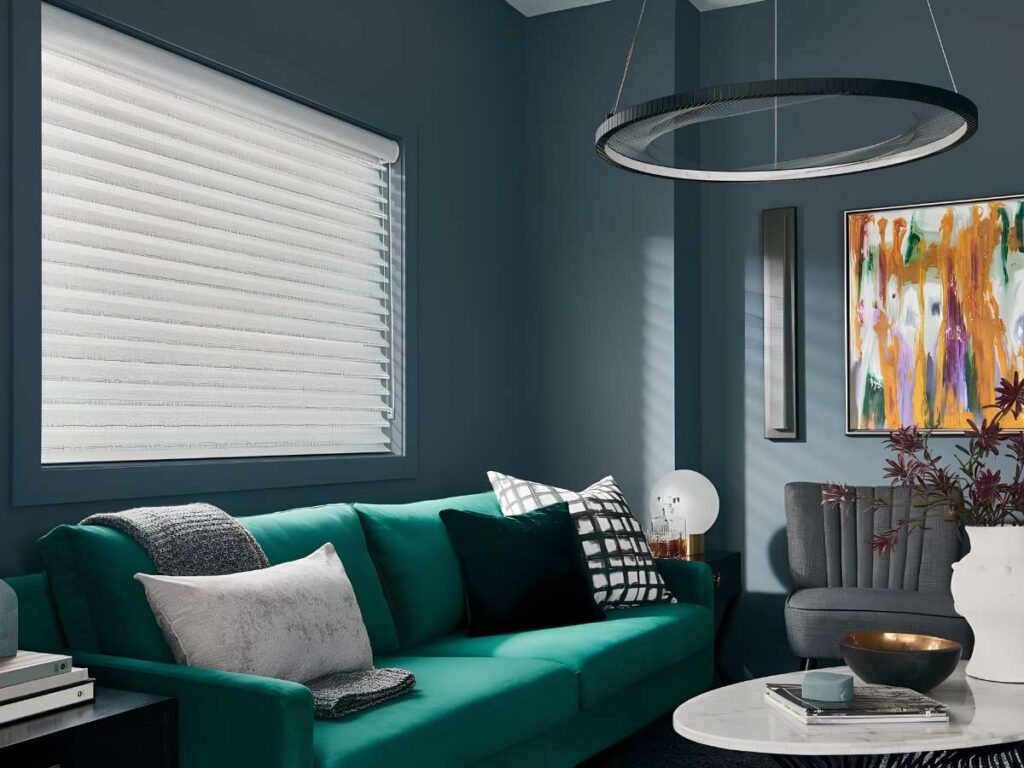
One of the largest factors affecting the cost of sheer shades is the size and shape of the window.
Larger windows require:
- More fabric material
- Larger hardware systems
- Increased manufacturing requirements
- Additional labor during installation
Custom-shaped windows often increase the price further because they require specialized measurement, fabrication, and installation techniques.
Window Feature | Potential Cost Impact |
Standard Window | Lower |
Large Window | Moderate to High |
Oversized Window | High |
Specialty Shape | High |
Fabric and Material Selection
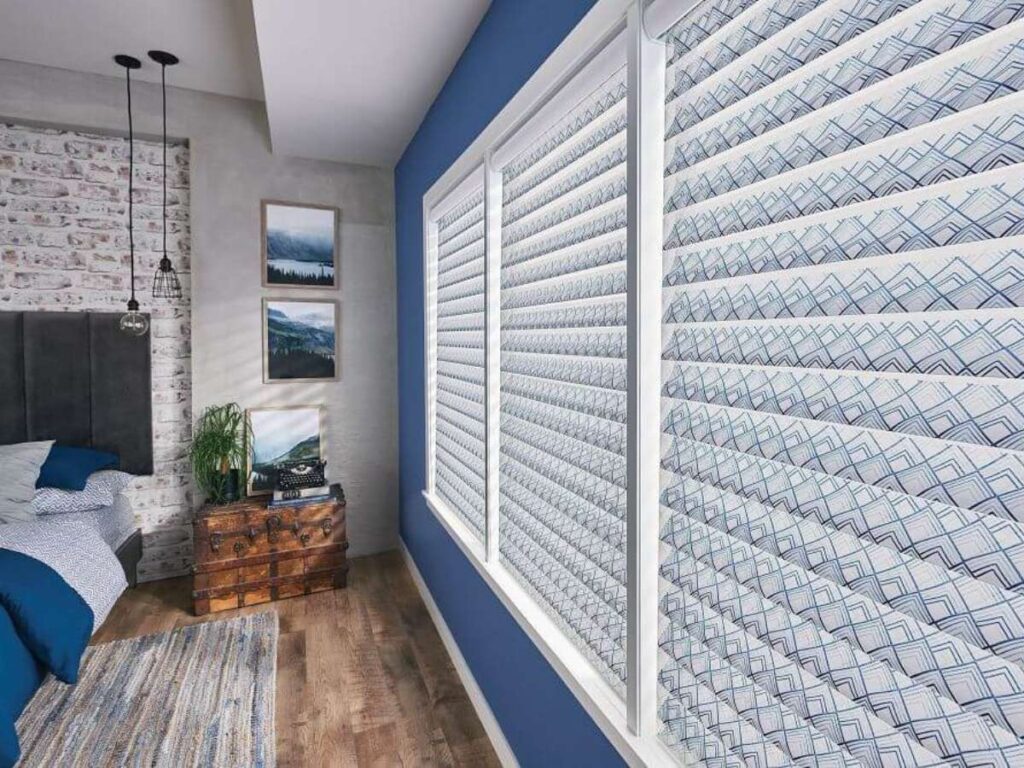
Light Filtering vs. Room Darkening Fabrics
The fabric you choose plays a major role in determining the final price.
Common options include:
- Light filtering fabrics
- Room darkening fabrics
- Premium designer fabrics
- Specialty UV protection materials
Higher-end material options typically cost more but may provide better durability, privacy, and energy efficiency.
Fabric Collection and Design
Some collections offer:
- Decorative textures
- Premium woven materials
- Enhanced protection against UV damage
- Improved maintenance performance
These upgrades can increase costs but may improve long-term satisfaction.
Custom vs. Prefabricated Shades
Custom sheer shades are manufactured specifically for your window dimensions.
Benefits include:
- Precise fit
- Better appearance
- Improved light control
- Enhanced safety features
Prefabricated products generally cost less but may not offer the same level of performance or finish quality.
Motorization and Automation Features
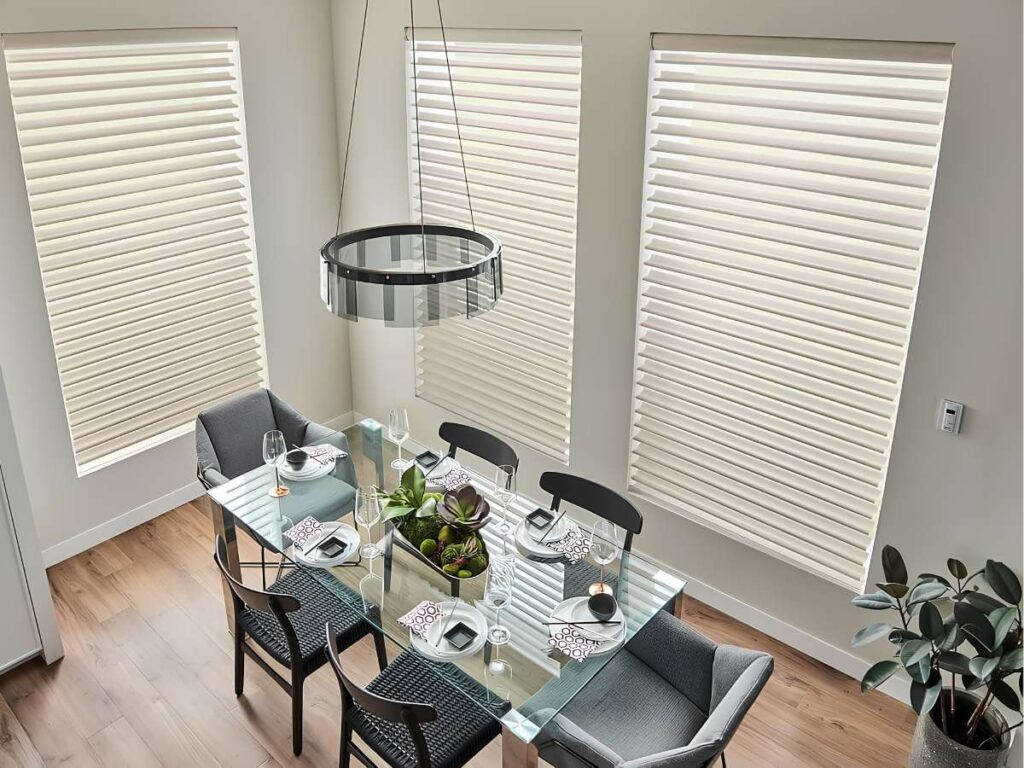
Cordless and Motorized Options
Many homeowners now choose cordless or motorized shades for convenience and safety.
Motorized systems may include:
- Remote controls
- Smart home integration
- Scheduling features
- App-based automation
While motorized products increase upfront costs, they can improve daily usability, especially for large or difficult-to-reach windows.
Dual Shade Systems
Dual shade configurations combine sheer fabric with room-darkening capabilities in one system.
Because they use additional hardware and fabric components, dual systems generally cost more than standard sheer shades.
Brand, Hardware, and Accessories
Not all brands are priced equally.
The selected brand often affects:
- Product quality
- Warranty coverage
- Fabric selections
- Available features
Additional components can also influence pricing, including:
- Decorative valance options
- Premium hardware finishes
- Specialty operating systems
- Enhanced safety mechanisms
Installation and Labor Costs
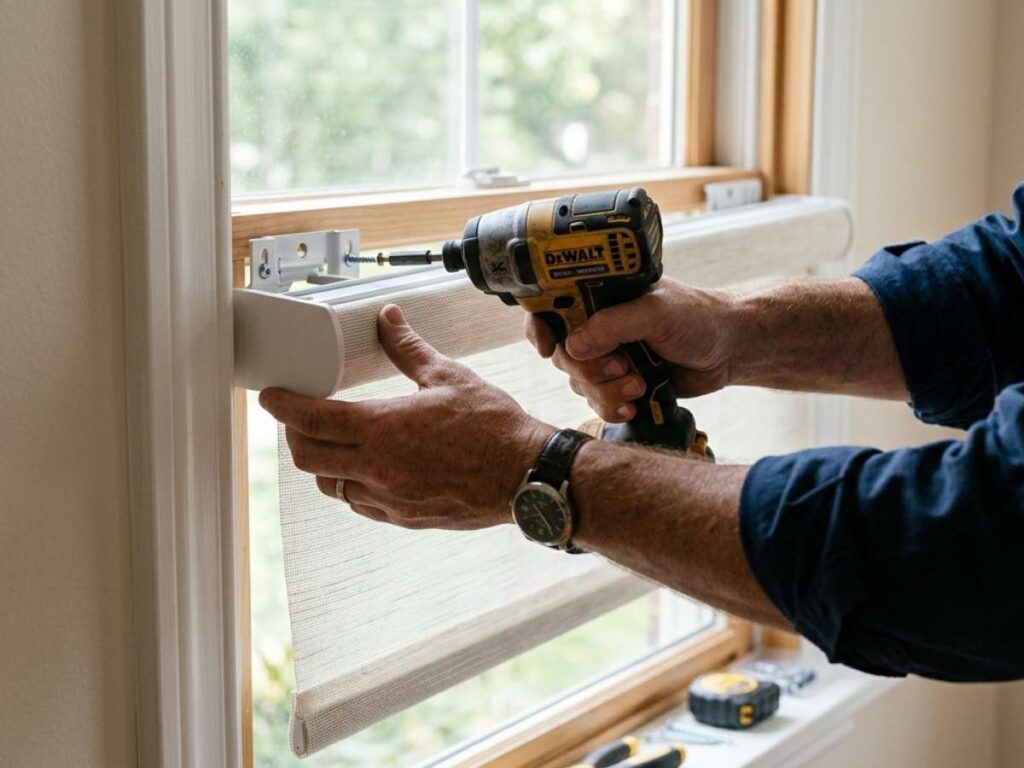
Professional Measurement
Accurate measurement is essential for proper fit and operation.
Professional measurement services help avoid:
- Ordering mistakes
- Light gaps
- Installation problems
- Additional replacement costs
Installation Requirements
Labor costs vary based on:
- Number of windows
- Window accessibility
- Mounting conditions
- Motorization requirements
Complex installations generally require more labor and specialized expertise.
Additional Factors That Affect Pricing
Other items that may influence sheer shades cost include:
- Shipping expenses
- Warranty coverage
- Geographic location
- Seasonal discount opportunities
- Future maintenance requirements
Homeowners should compare complete project estimates rather than focusing solely on product price.
Frequently Asked Questions (FAQs)
1. Why do sheer shades cost more than basic blinds?
Sheer shades use layered fabric, specialty hardware, and a more refined lift system than basic blinds. Custom sizing, fabric quality, and installation also add to the final price.
2. Does fabric choice change the price of sheer shades?
Yes. Standard light-filtering fabrics usually cost less than premium textures, room-darkening options, or fabrics with added UV protection. The selected material can significantly affect the estimate.
3. Are motorized sheer shades worth the added cost?
Motorized sheer shades cost more because of the motor, controls, and setup. They are often worth it for large windows, hard-to-reach areas, or homeowners who want automation.
4. Can installation affect the total sheer shades cost?
Yes. Labor can vary based on window size, mounting needs, number of shades, and whether motorization is included. Professional measurement also helps prevent costly ordering mistakes.
5. Is there a cheaper alternative to custom sheer shades?
Prefabricated sheer shades may cost less upfront, but they may not fit as cleanly or offer the same fabric, hardware, warranty, and safety options. Custom shades usually provide better long-term value.
Finding the Best Value in Sheer Shades
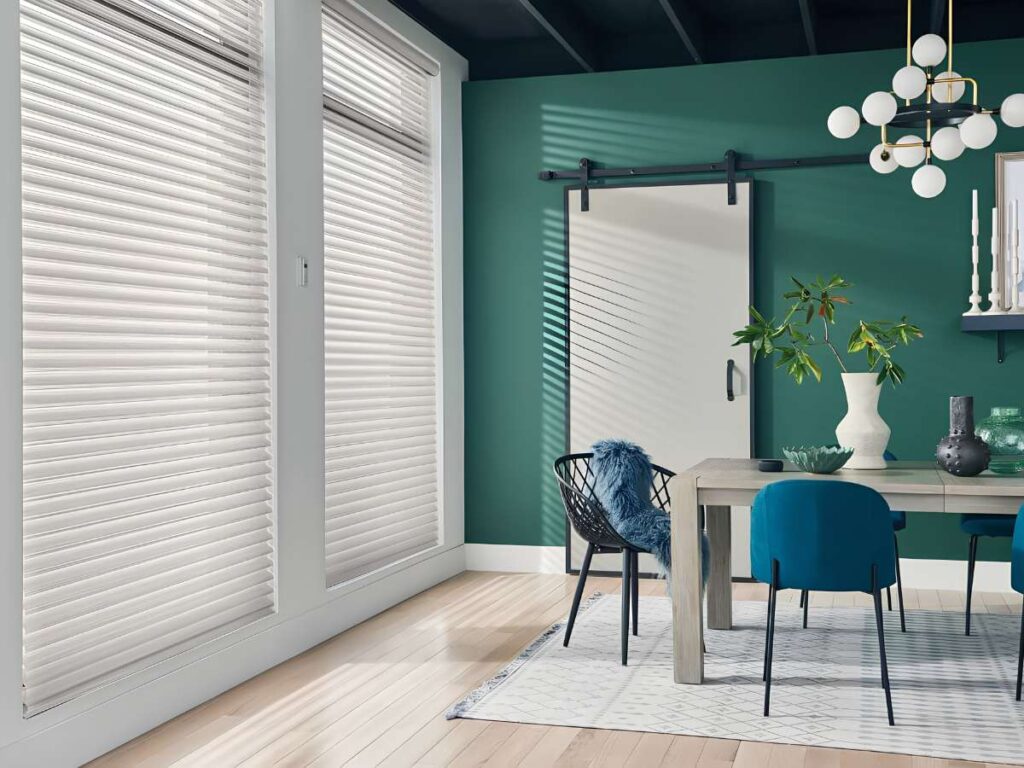
The final cost of sheer shades depends on window size, fabric selection, customization, motorization, installation needs, and brand choice. Knowing these factors helps homeowners compare options clearly and choose features that fit their space, budget, and daily use.
Instead of focusing only on the initial price, consider long-term value, safety, light control, privacy, and overall performance. MITS Rockville can help you compare custom sheer shade options based on your window measurements, design preferences, and installation needs. Schedule a consultation today!