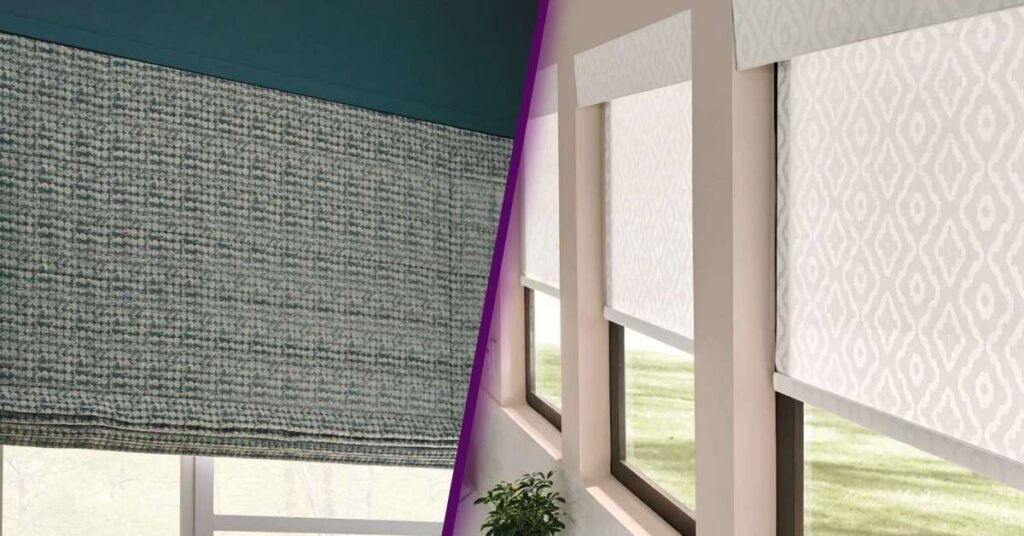
When it comes to fabric window treatments, two options often top the list: Roman shades and roller shades. Both offer sleek light control, privacy, and timeless appeal—but how do they truly compare?
In this head-to-head breakdown, we’ll explore the key differences between Roman shades and roller shades, covering everything from style and functionality to maintenance and cost. Whether upgrading one room or refreshing your whole home, this guide helps you make a confident choice for your window decor.
What Are Roman Shades and Roller Shades?
Roman Shades
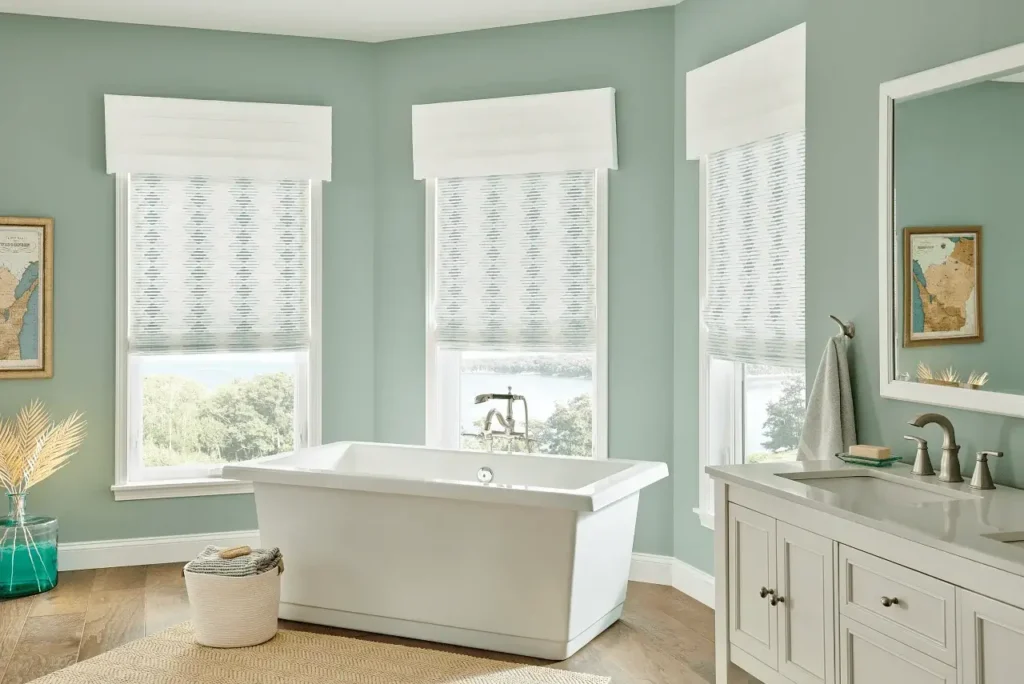
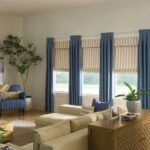
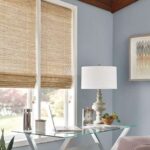
Roman shades are soft fabric window coverings that fold into neat pleats when raised. They’re known for their classic look, versatility, and wide range of fabric choices. From flat to hobbled styles, Roman shades offer sophistication and dimension.
Roller Shades
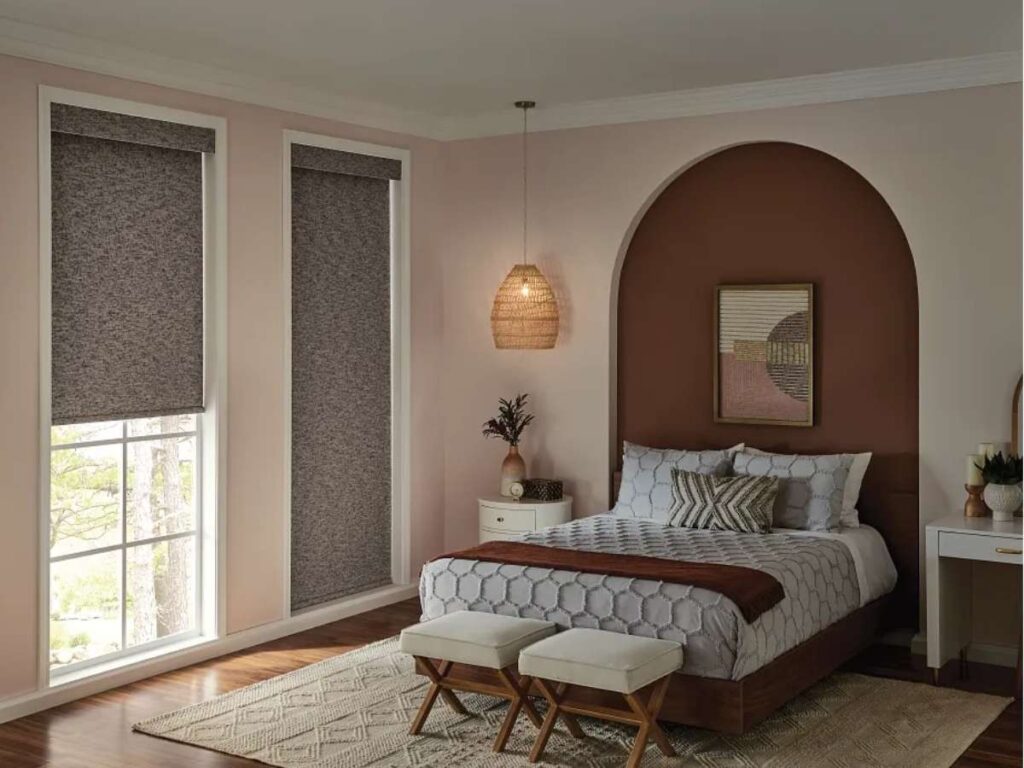
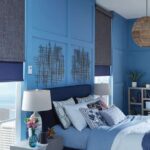
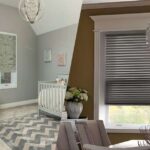
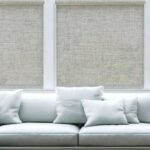
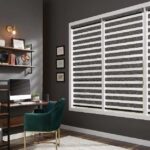
Roller shades feature a sleek design that rolls into a tube when lifted. They’re often associated with modern interiors but come in various fabrics—light-filtering to blackout—and can be cordless, motorized, or manual.
Roman vs. Roller Shades: A Side-by-Side Comparison
Feature | Roman Shades | Roller Shades |
Design Style | Classic, soft, decorative | Minimalist, modern, streamlined |
Fabric Options | Wide variety; ideal for layered or soft looks | Extensive; great for clean lines and solids |
Light and Privacy Control | Good control; liners available | Excellent control; sheer to blackout options |
Energy Efficiency | Lined styles help insulate | Solar fabrics available for heat reduction |
Ease of Use | Slightly more complex due to folds | Simple up/down mechanism |
Motorization | Available | Easily motorized |
Maintenance | Needs gentle care due to pleats | Low maintenance; wipeable |
Cost | Usually higher due to construction | More budget-friendly, especially ready-made |
Design & Style: Traditional vs. Contemporary
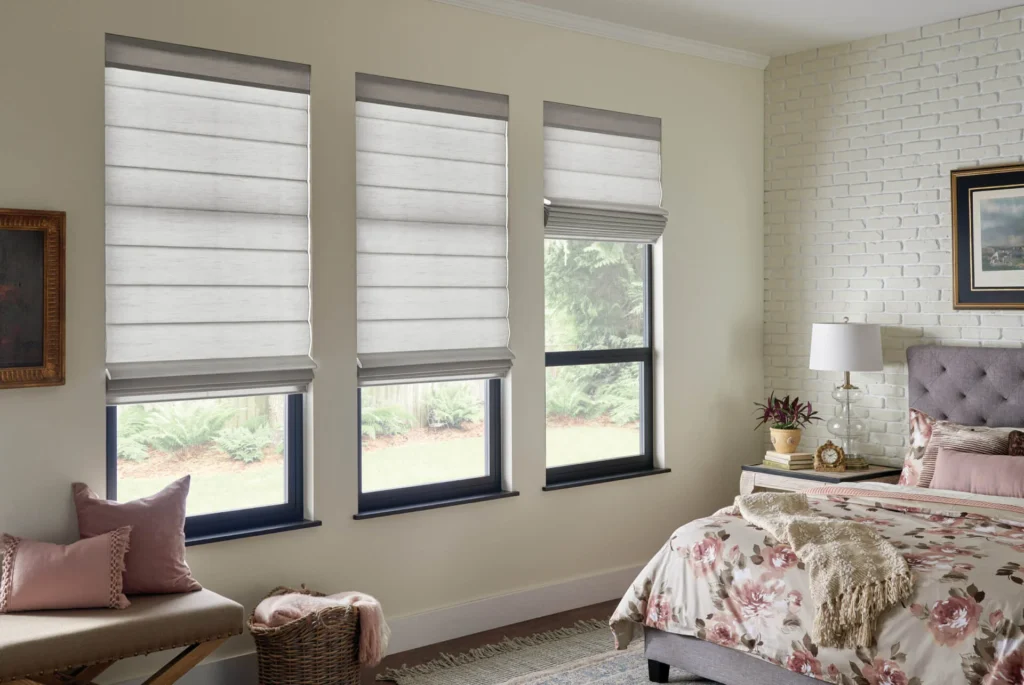
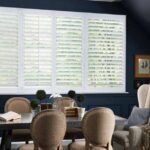
Roman shades bring soft elegance and a touch of formality, ideal for traditional interiors, dining rooms, or bedrooms. They’re also a favorite for layered window treatments.
Conversely, roller shades fit modern, minimalist spaces with their clean lines and straightforward operation. They blend well with open-concept layouts and small rooms where visual simplicity matters.
Style Tip: Want soft Roman charm in a sleek form? Consider flat Roman shades in neutral tones for a modern-traditional mix.
Light & Privacy Control
Both shade types excel at light control and privacy, but their performance varies by fabric and liner.
Roman shades often include light-filtering or blackout liners, perfect for bedrooms and media rooms.
Roller shades offer a wider range of opacity levels, including solar screen fabrics that cut glare without blocking views.
Both have blackout, light-filtering, and room-darkening options, with cordless or motorized controls for child safety and convenience.
Installation and Operation
Roman shades require more care during installation because of their pleated construction. They can be inside or outside-mounted depending on the look you’re after.
Roller shades are quicker to install and work well in compact spaces. Their cordless lift or automated systems are ideal for households prioritizing accessibility and tech-friendly features.
Maintenance and Durability
Roman shades need gentle handling. Because of their folds, they tend to collect more dust and require occasional spot cleaning or vacuuming with a brush attachment.
Roller shades, with their flat surface and simple structure, are low-maintenance and easy to clean—great for kitchens, bathrooms, or kids’ rooms.
Cost Considerations
In general:
- Roman shades are more expensive due to the construction and fabric volume.
- Roller shades are more affordable, especially in standard sizes or ready-made options.
However, both are available in custom configurations, which allow you to match fabric, lift system, and size for your exact window.
Energy Efficiency
Roman shades with thermal or blackout liners offer better insulation, making them a solid choice for improving comfort and lowering utility bills in Rockville’s varying climate.
Roller shades with solar or thermal fabrics also contribute to energy efficiency, particularly in rooms with large south-facing windows.
Key Takeaways
- Choose Roman shades for a soft, layered look and elevated style in formal or traditional spaces.
- Opt for roller shades for modern, fuss-free performance and low-maintenance function.
- Both have motorized, cordless, blackout, and custom options to suit your needs.
- Think about how the window treatment complements your interior design, privacy needs, and daily routine.
- Budget, ease of maintenance, and the level of light control you desire will influence your final decision.
Frequently Asked Questions (FAQs) About Roman Shades vs. Roller Shades
1. Can I install both Roman and roller shades in different rooms?
Absolutely. Many homeowners mix styles based on the function and mood of each room. For example, roller shades in the kitchen and Roman shades in the living room create a cohesive yet varied look.
2. Which is better for blackout coverage?
Both offer blackout options, but roller shades with side channels may block light more effectively. Roman shades with blackout liners still perform well for most bedrooms.
3. Are Roman or roller shades more pet-friendly?
Roller shades are typically easier to manage with pets since they roll up tightly and have fewer folds that can trap fur or claws. Choose cordless or motorized lift systems for added safety.
Final Thoughts
When comparing Roman shades vs. roller shades, there’s no one-size-fits-all winner. Your decision depends on the room’s style, how much light you want to control, and the features that matter most to your lifestyle.
Ready to find your perfect window treatment? At Made in the Shade Rockville, we help you explore custom Roman and roller shades tailored to your home’s design and function. From precise measurements to professional installation, we bring the showroom to you—right here in Rockville, MD.
Book a consultation today and discover the best shade options for your space.